
Taking a beginner whitewater kayaking course is the first step —what comes next is building your skills, figuring out your gear needs, finding your crew, and setting your sights on incredible river runs. And this journey is all part of the fun.
Step 1: Lock in Your Core Gear
When you’re starting out, buying every piece of gear brand-new adds up quickly. You can budget by piecing together a kit over time, but your safety gear is the exception. You are going to want to give that first priority.
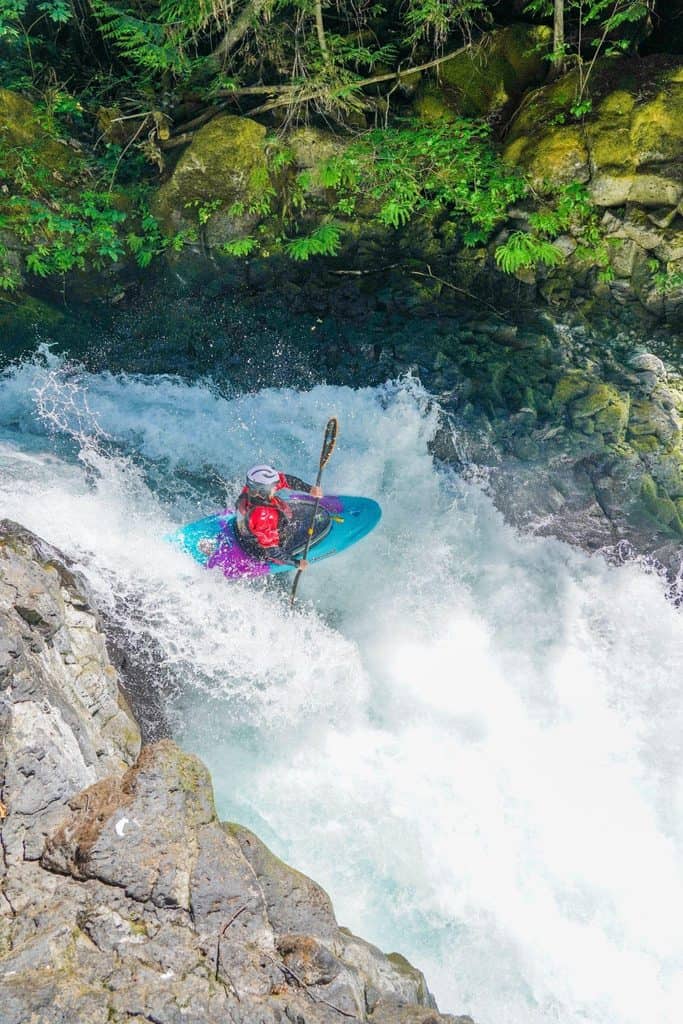
The first set of safety gear to buy brand-new includes a fresh, reliable helmet and personal flotation device (PFD) such as these:
- Helmet: Sweet Protection Rocker – The gold standard in protection, offering incredible shell strength, comfort, and coverage when taking unexpected hits in low-volume runs.
- PFD: Kokatat Hustler – A side-entry, low-profile rescue vest designed for extreme mobility, durable fabrics, and reliable buoyancy.
Borrow & Buy Used:
Many other pieces of gear you can buy used or borrow to see what you like before dropping more money.
If you are local or visiting, the White Salmon Boat Library, located in BZ Corners, is a community staple for new paddlers in the Gorge looking to borrow kayaks, paddles, and gear to get on the water without high up-front costs.
Local Shops in our Gorge Area:
The Whitewater Bodega (White Salmon, WA) is a local hub for whitewater consignment, boats, and other essential gear.
Immersion Research (Hood River, OR) is a storefront located right in downtown Hood River. Stop in to grab top-tier drywear, skirts, layers, and gear repair services directly from the manufacturer.
Step 2: Build Your Network & Connect
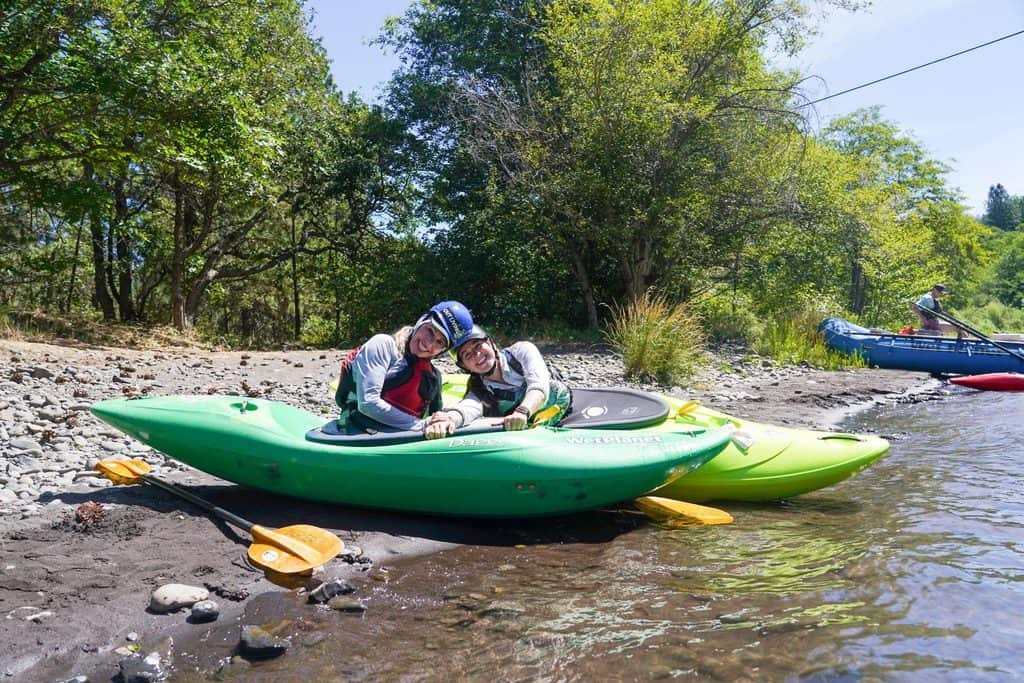
Whitewater is a team sport—never paddle alone! Finding a solid crew keeps you safe and helps you progress much faster. And, not to mention, experiences are often more fun and memorable when shared.
Tools to Connect & Support Kayakers
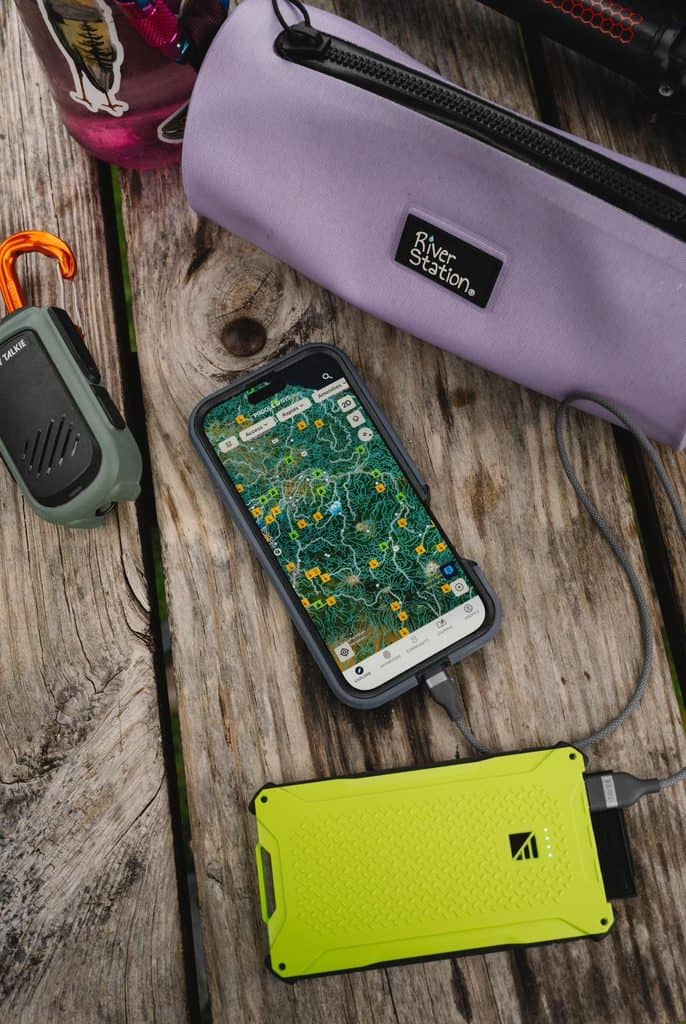
Here are some apps that help you find and foster your own paddling friend and community group:
RallyCrew App: Download RallyCrew to connect directly with local boaters, find group laps, coordinate shuttles, and match up with paddlers who share your skill level and availability. We have even created a group here for Wet Planet Alumni to join and communicate with each other.
Paddleways App: Check live river levels, track hazards, and route your shuttle points before heading out.
Facebook Groups to Join:
Step 3: Progressive Beginner Rivers to Master
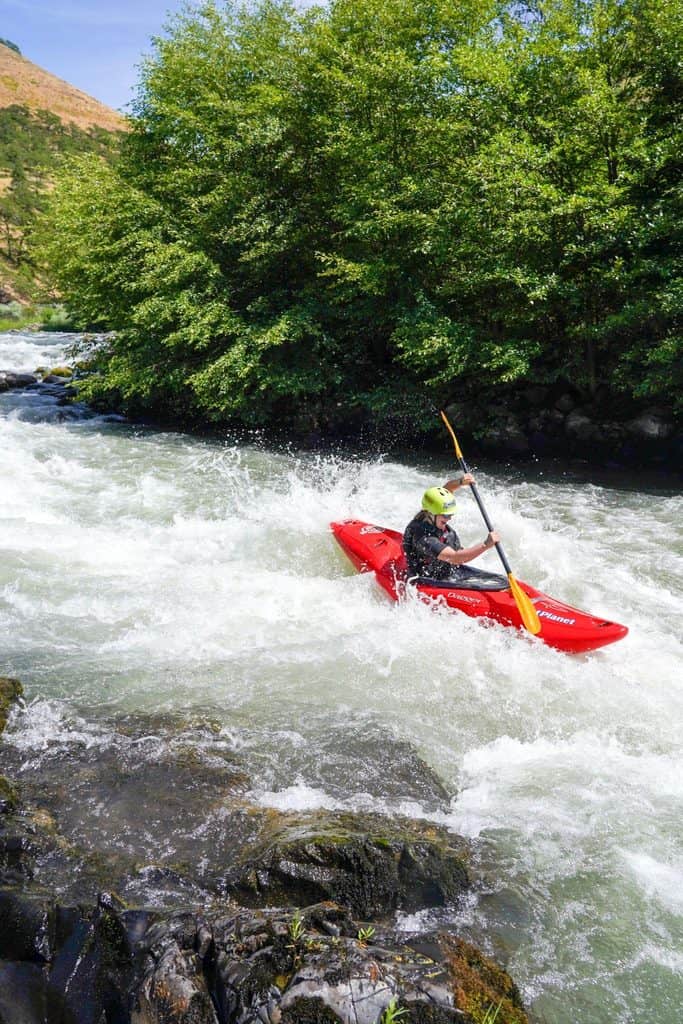
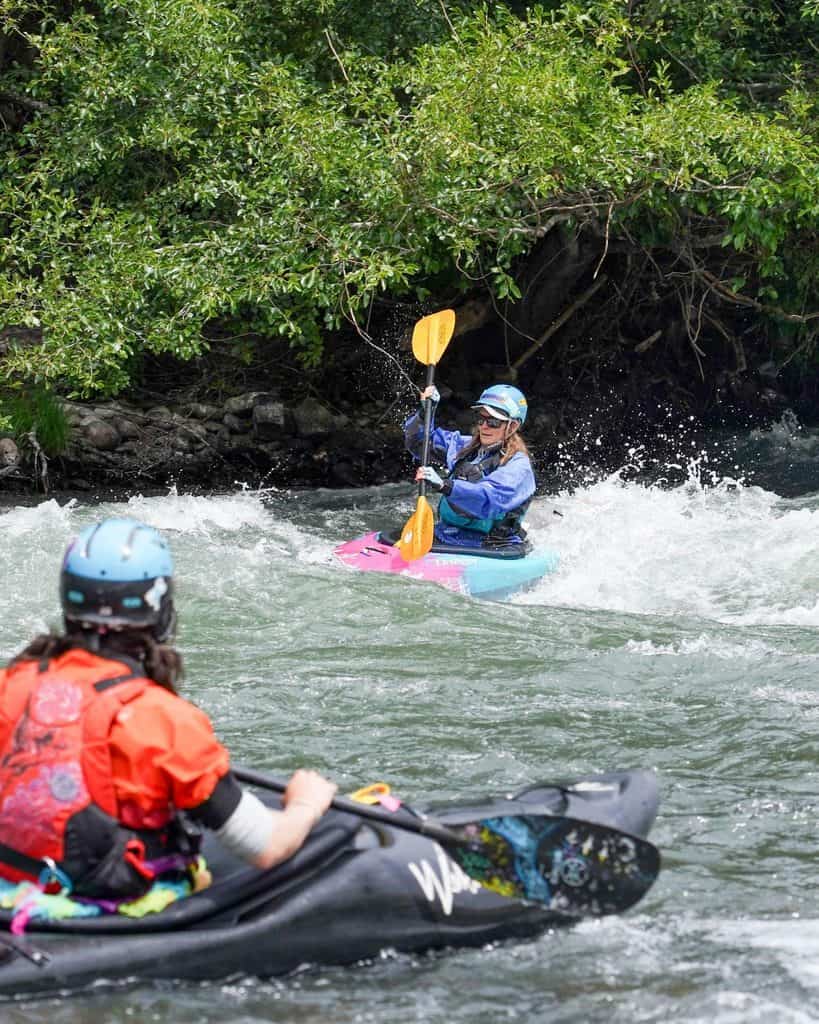
Start on forgiving Class I–II water to practice wet exits, catch eddies, and build your confidence before moving up to more challenging, commiting, and consequential sections. Some of the best advice I’ve been given in whitewater is to practice hard moves in easy whitewater – so that when you eventually get to bigger rapids, it feels easy. It is best to learn and make mistakes on more forgiving whitewater, building confidence and skill before progressing to harder sections.
Step 4: Level Up Your Training
Taking a beginner class gets you down the river, but continued practice and education are what keep you progressing in the sport long-term as you build skill and confidence. Time on the water (repetition) is key to growth and progress. And taking steps to be more prepared and educated will make you a better boater, not just for yourself, but to support those you are on the water with. Training options that we recommend are:
- River Rescue Course (RRC): Once you’re comfortable in Class II+, take an RRC! You’ll learn swiftwater swimming, boat retrieval, mechanical advantage systems (Z-drags), and hazard management. It transforms you from a passenger into an asset to your paddling crew.
- RRC Pro: The next level of swiftwater rescue for paddlers leading trips, working on the river, or tackling remote Class IV–V wilderness runs.
*These certifying river rescue courses are taught at and by Wet Planet and certified through Sierra Rescue International.
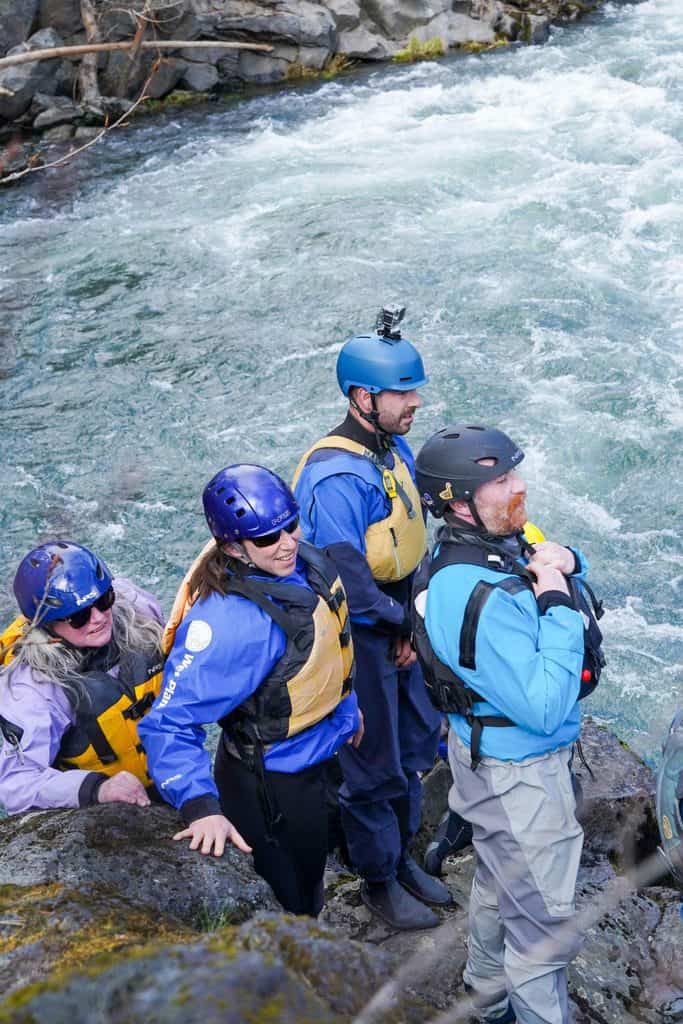
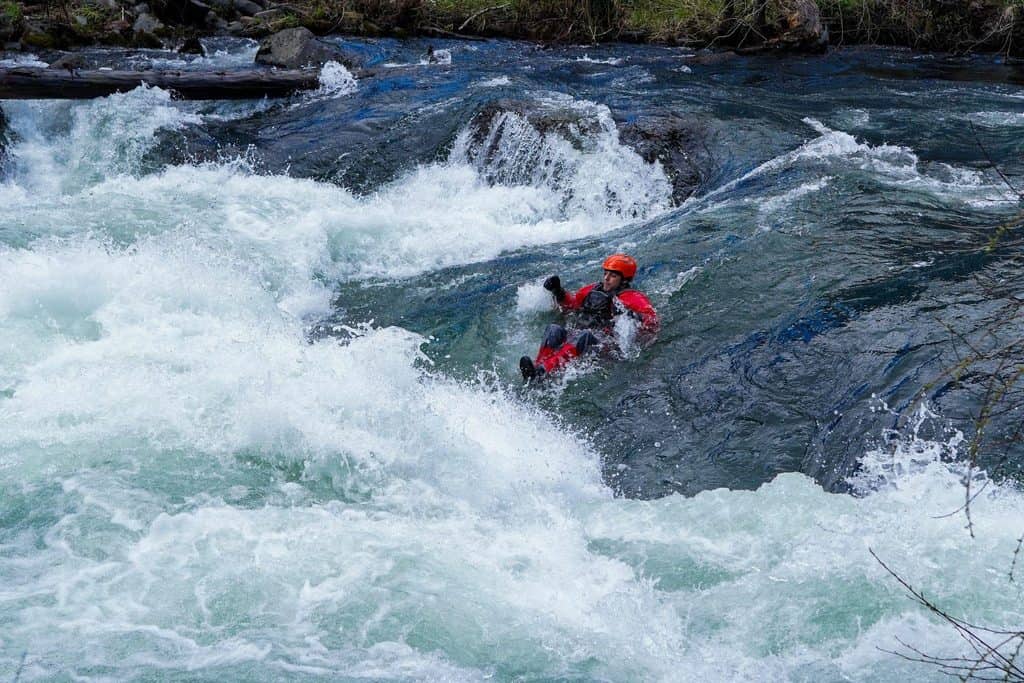
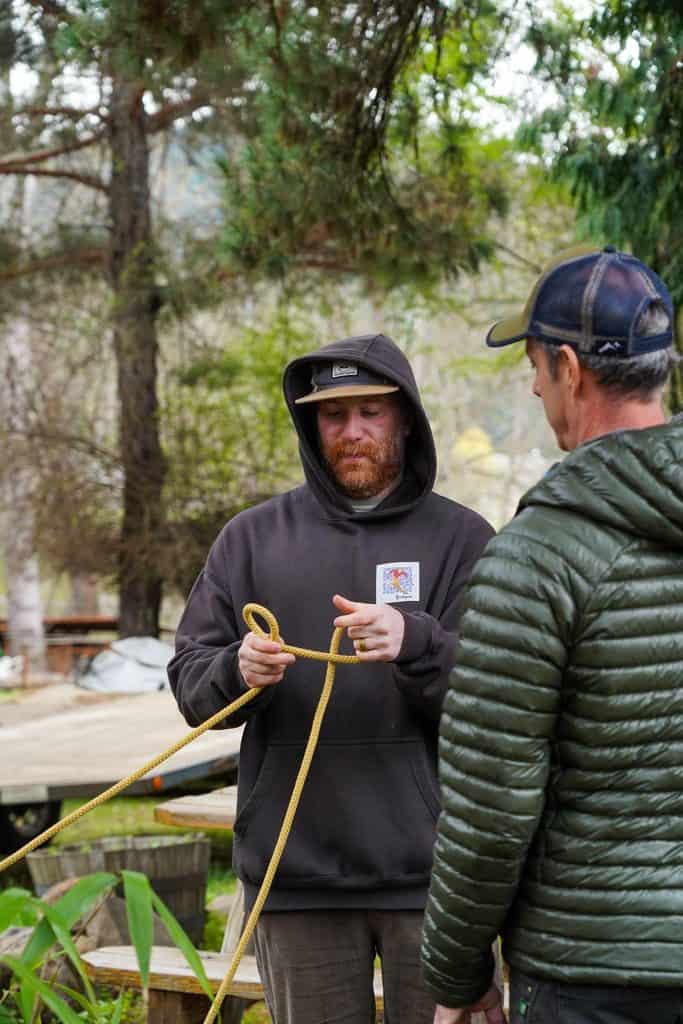
- Various intermediate to advanced clinics: Whether you want to master a bombproof roll, refine your stroke efficiency, or learn the advanced boofing technique to clear holes with confidence. Taking targeted clinics accelerates your progression safely. Check this kayak skill level overview we created, showing which kayak course would meet your skill level best and will help you reach your goals.
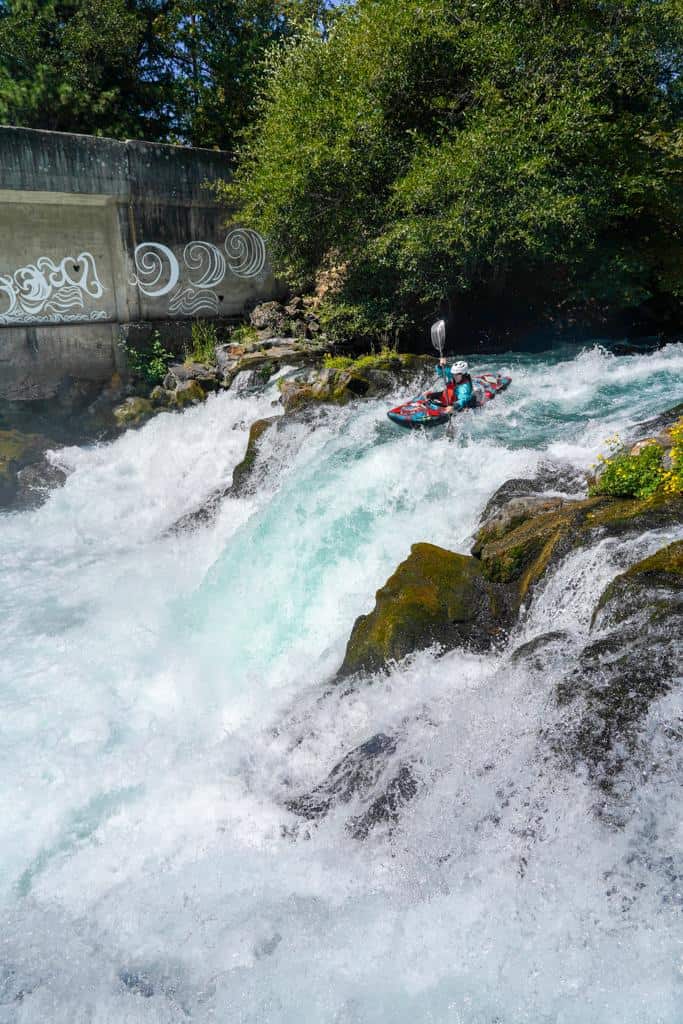
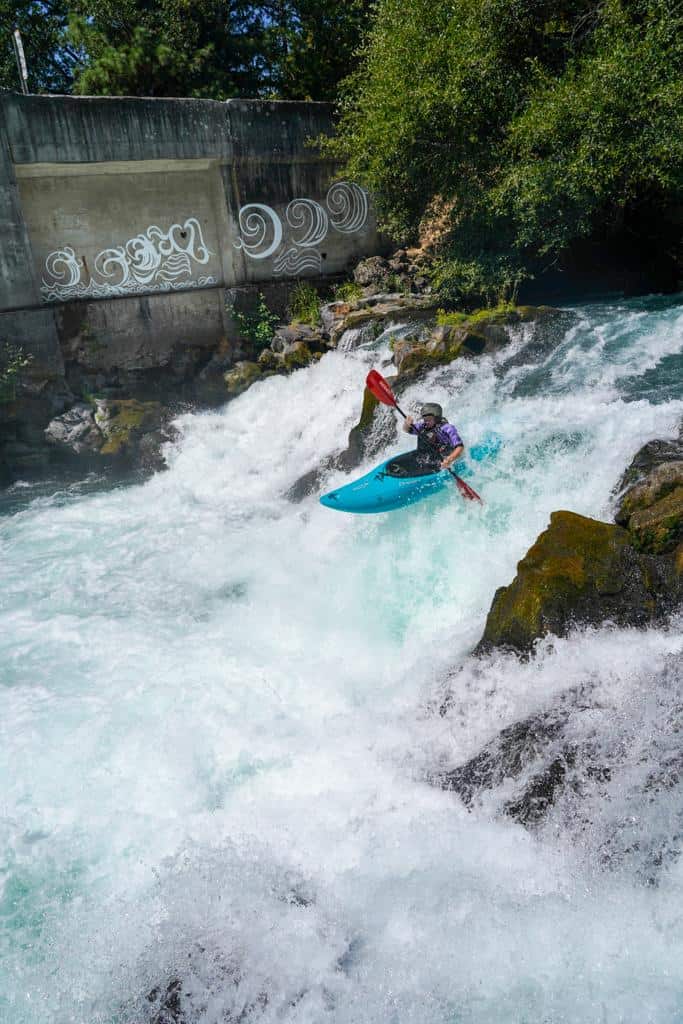
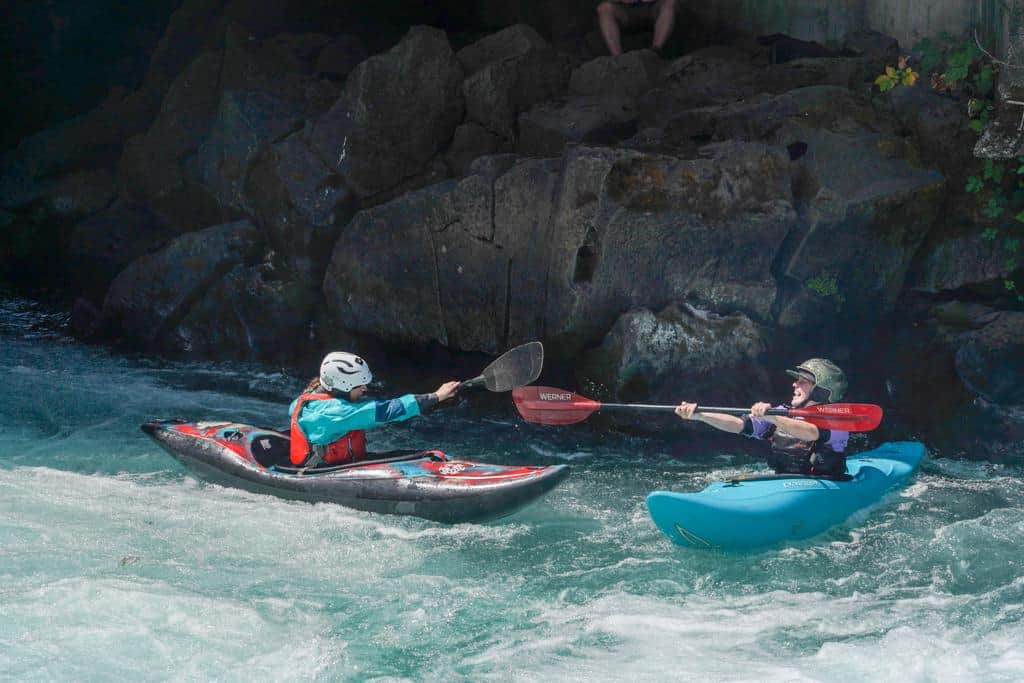
Step 5: Set Big Goals – The Main Salmon Expedition!
Every paddler needs an overarching goal to stay motivated through cold practice laps and rolling sessions.
Reward yourself! Aim for a multi-day wilderness trip like the Main Salmon River in Idaho! Running 80+ miles of big-water Class III wave trains through deep roadless wilderness with sandy camp beaches is an unforgettable milestone and one that will keep you motivated and out on the water in preparation. Wet Planet hosts this 6-day kayak trip each summer, launching on August 17th. What makes this trip especially accessible for learning class III kayakers is that they are raft supported so kayakers don’t need to carry their own gear and food! Plus you will have a couple Wet Planet kayak instructors help lead you through the bigger rapids, if needed.
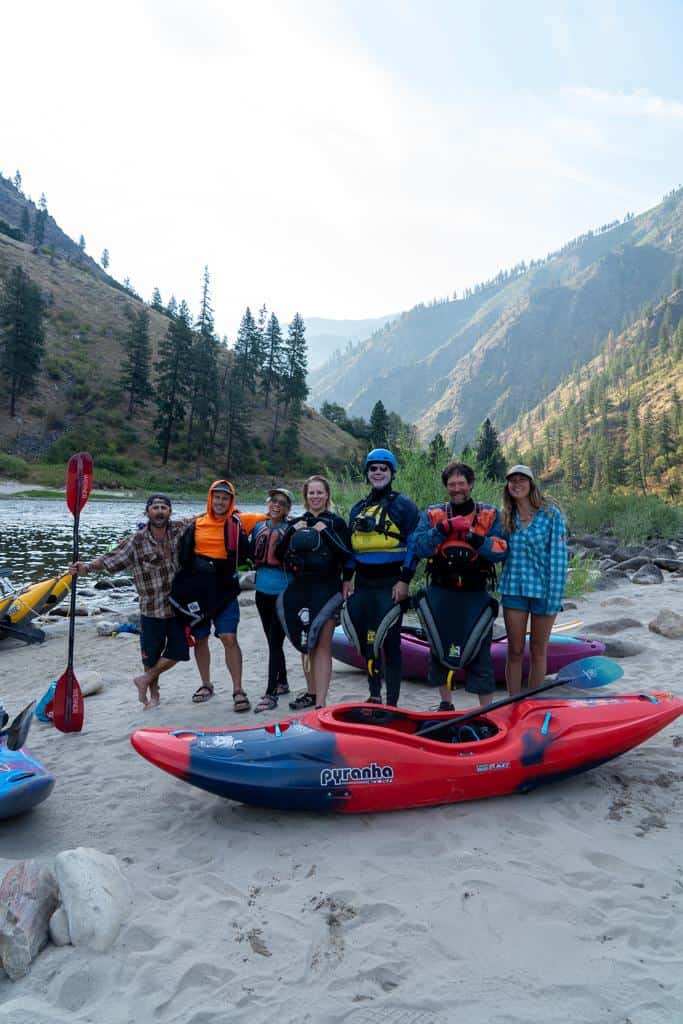
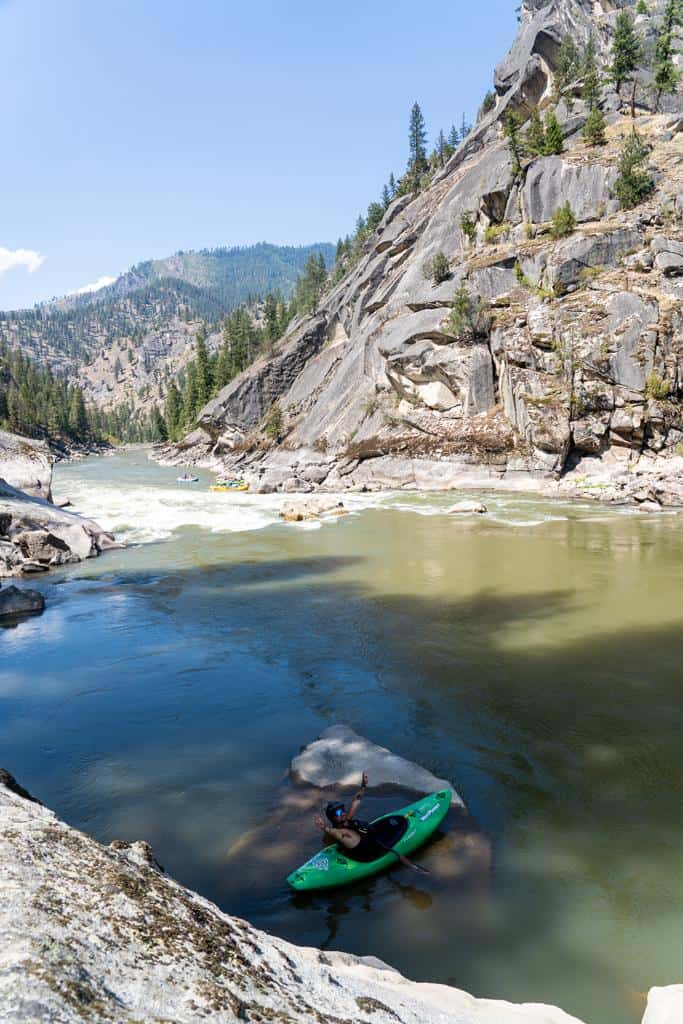
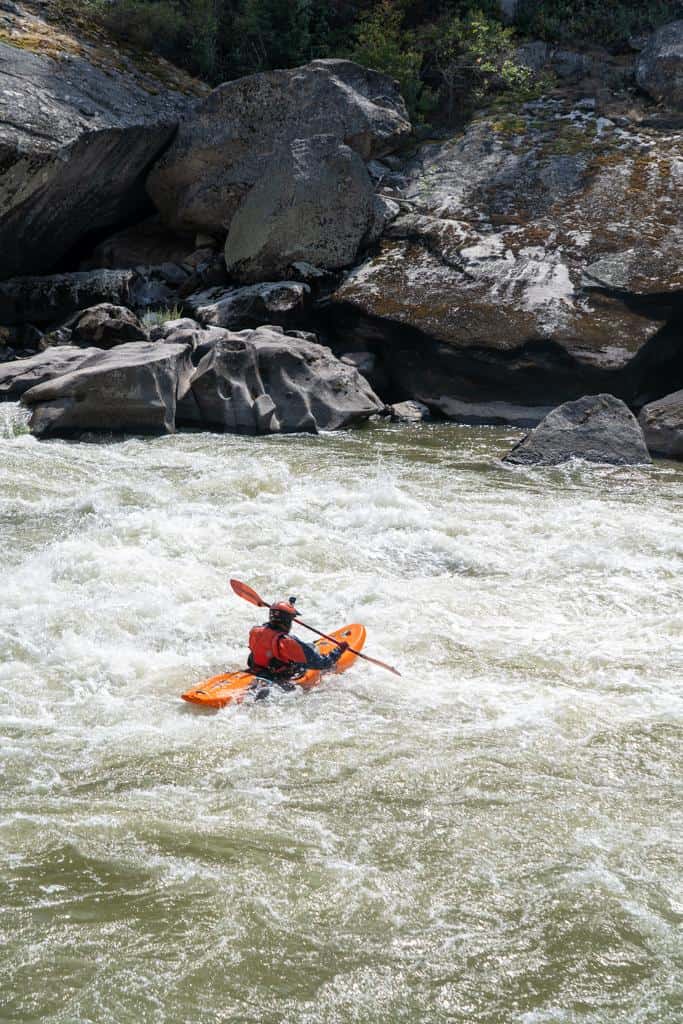
I was lucky to lead this group of kayakers on the Main Salmon last summer – and can’t wait to go again! These trips are awesome for any kayaker on any skill level!
Author: Ava Christensen.