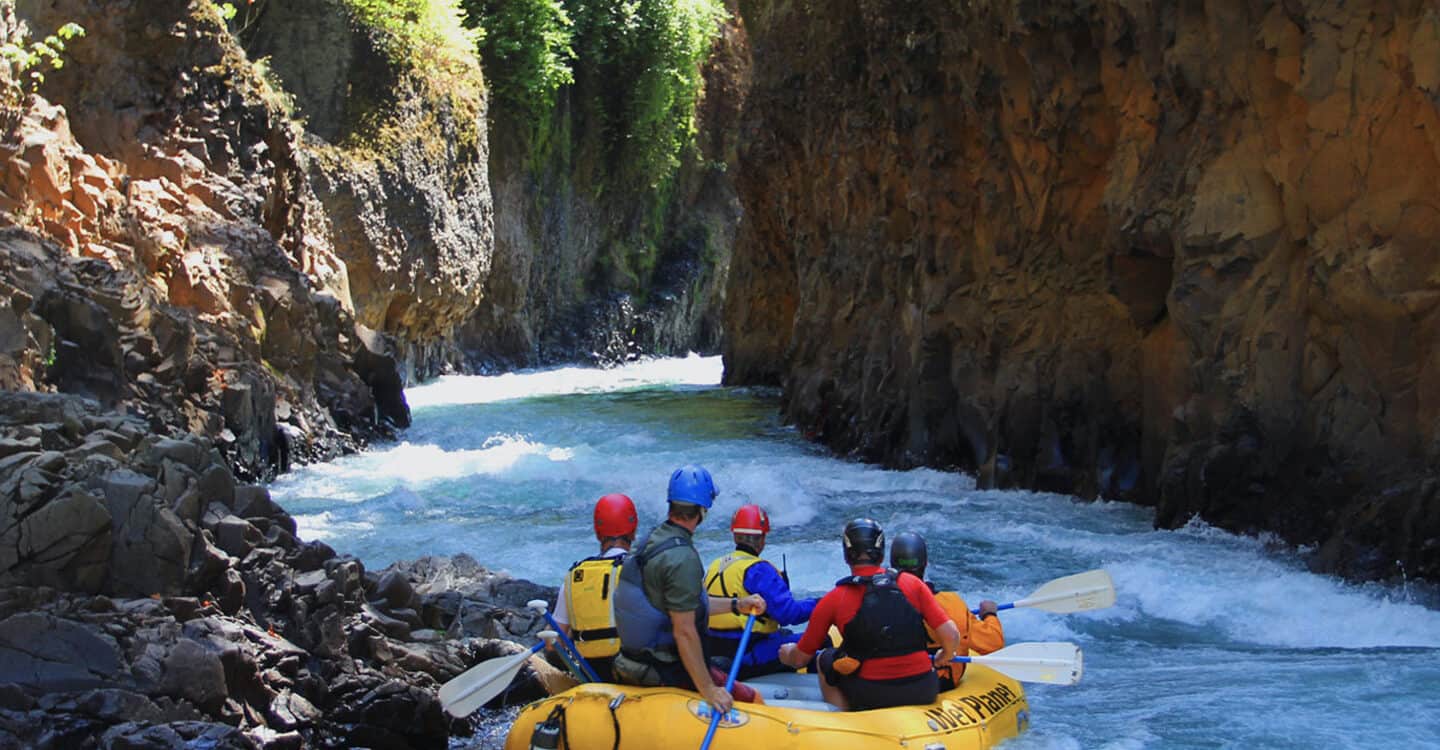


Keep your shoulders happy, your core strong, and your stoke high until spring.
When winter settles in and the boats get tucked away, most of us start missing that familiar rhythm of paddling. But the off-season doesn’t have to feel like a long wait — it can be one of the best times to build a stronger, more resilient body for when river season returns.
Winter strength and mobility training isn’t about getting “gym-fit.” It’s about keeping your shoulders healthy, your core ready, and your body balanced so you can paddle harder, longer, and with less risk of injury. A few thoughtful sessions a week now will pay off in confidence once you’re back in your boat.
Why Train in the Off-Season?
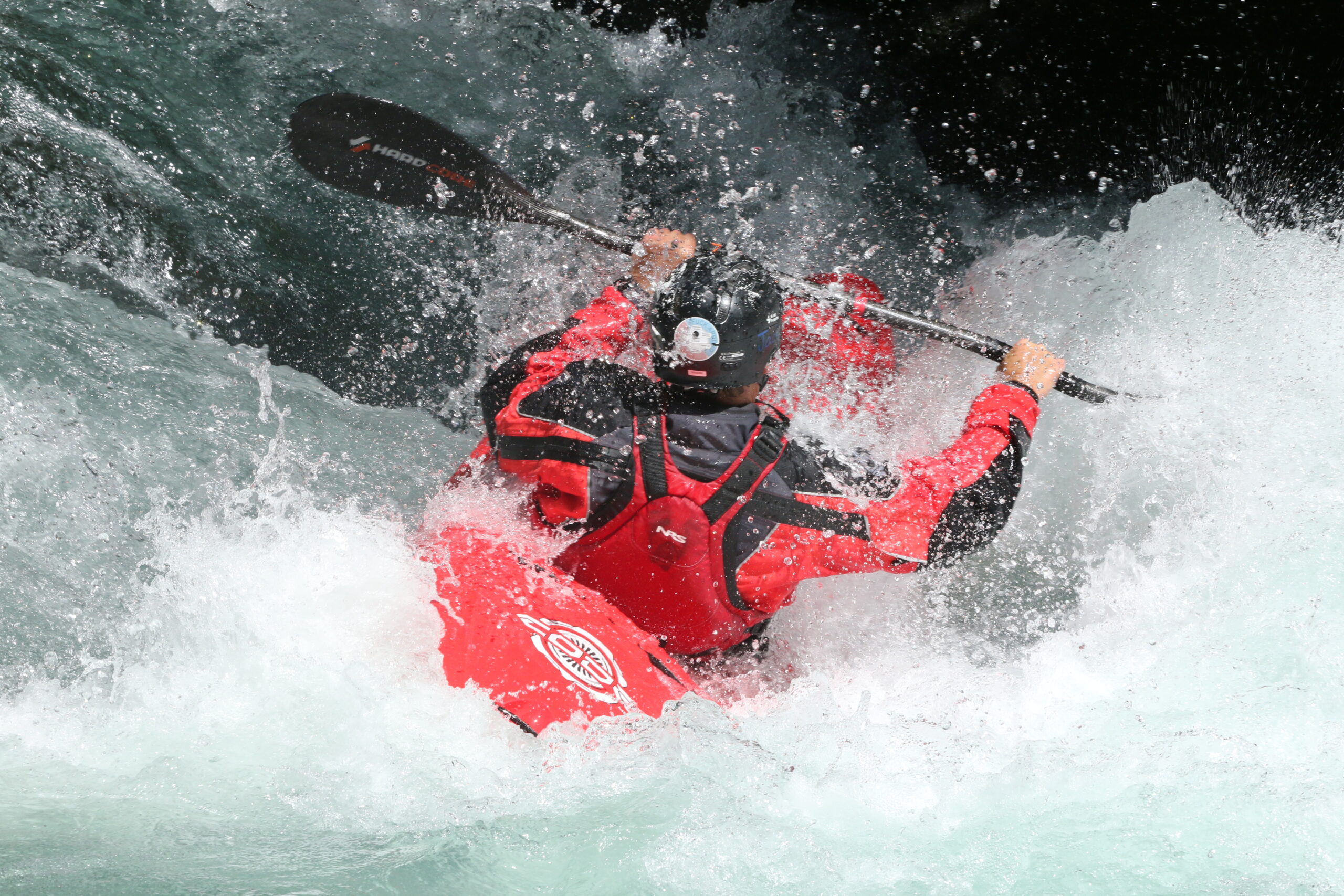
Paddling is incredibly fun…and incredibly repetitive. We use the same movement patterns over and over, which means certain muscles get strong and tight while others get neglected. Winter is the perfect time to rebalance.
Here’s why it matters:
1. Stronger, Healthier Shoulders
Kayakers ask a lot of their shoulders — dynamic pulls, high-angle strokes, bracing, rolling. Building stability and mobility helps protect the delicate structures of the shoulder joint and rotator cuff.
2. Better Core Strength = Better Boat Control
A strong core leads to smoother strokes, more powerful rotations, and better posture. It’s the engine behind everything you do in your boat.
3. Injury Prevention
A little work now can prevent the big setbacks later. Strength + mobility = resilience.
4. More Mobility Means Better Technique
When your shoulders and thoracic spine move well, so do your strokes. Mobility lets you rotate farther, reach cleaner, and stay relaxed.
5. A Mental Reset
Winter training gives you something to focus on during the dry months — and it genuinely helps keep the stoke alive.
What to Focus On
The two big themes for kayakers: strength and mobility — especially in the core and shoulders.
Strength Priorities
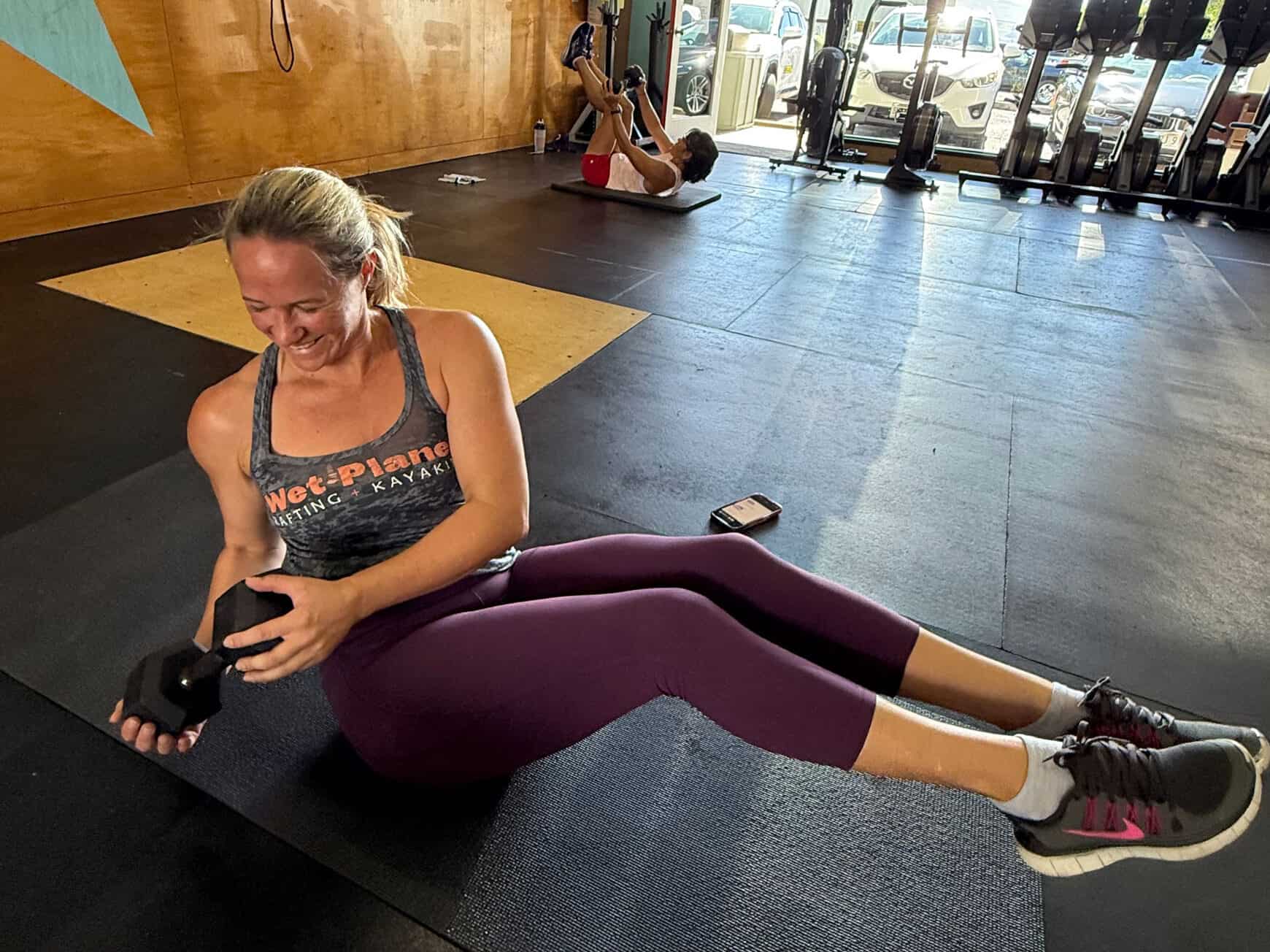
1. Core (Anti-rotation, rotation, stability)
Kayaking is all about torque and balance. Aim for exercises that resist rotation and also create rotational power.
Top exercises:
- Pallof press
- Dead bug variations
- Russian twists (controlled, slow)
- Cable or band woodchops
- Planks & side planks
- Bird dogs
2. Shoulder Stability & Rotator Cuff Strength
Keep the joint strong, stable, and supported.
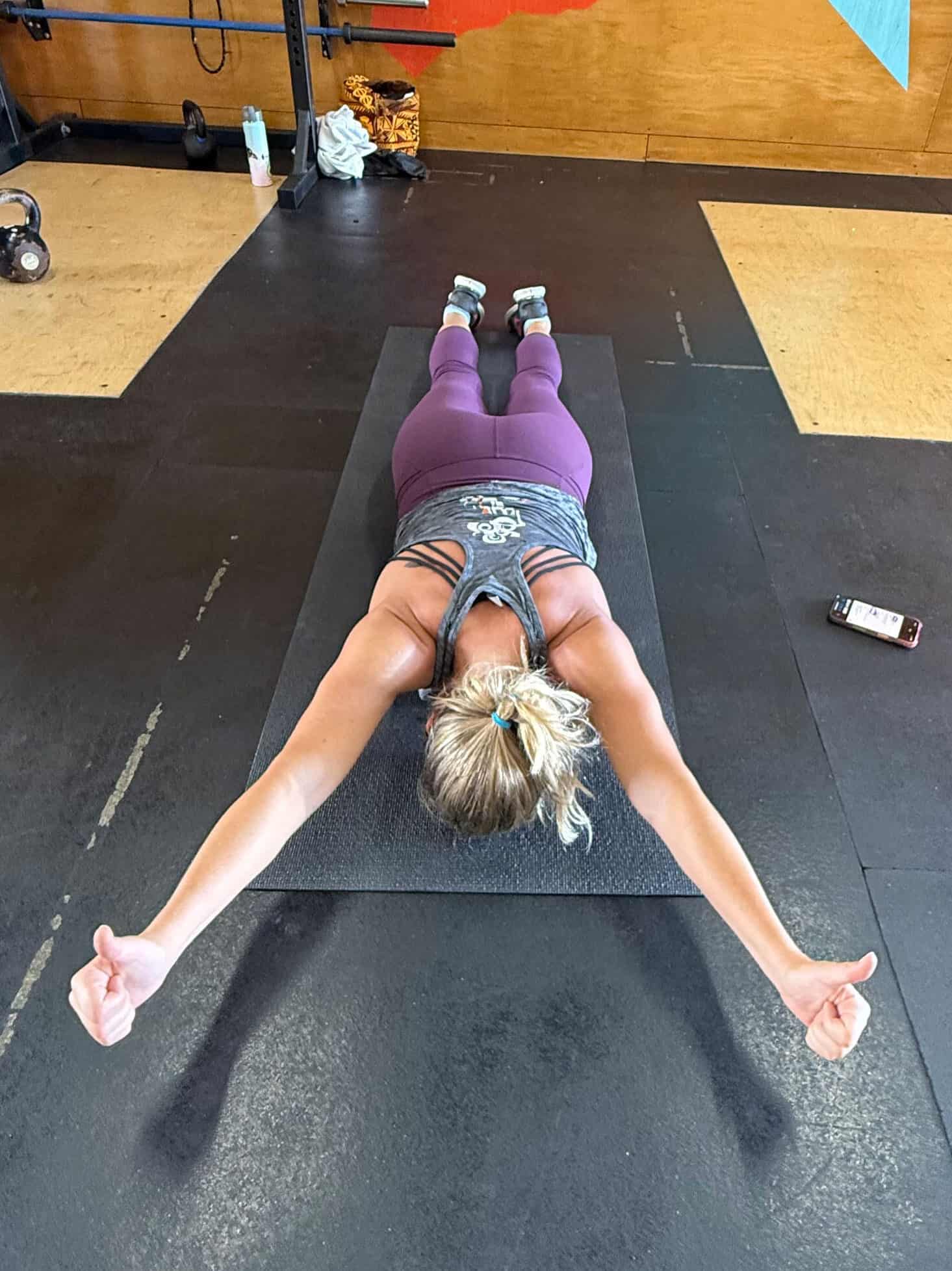
Top exercises:
- External rotation with band
- Internal rotation with band
- Banded Face pulls
- Scapular retractions
- Y/T/W/L raises
3. Upper Back & Posterior Chain
These muscles keep you upright, powerful, and protected.
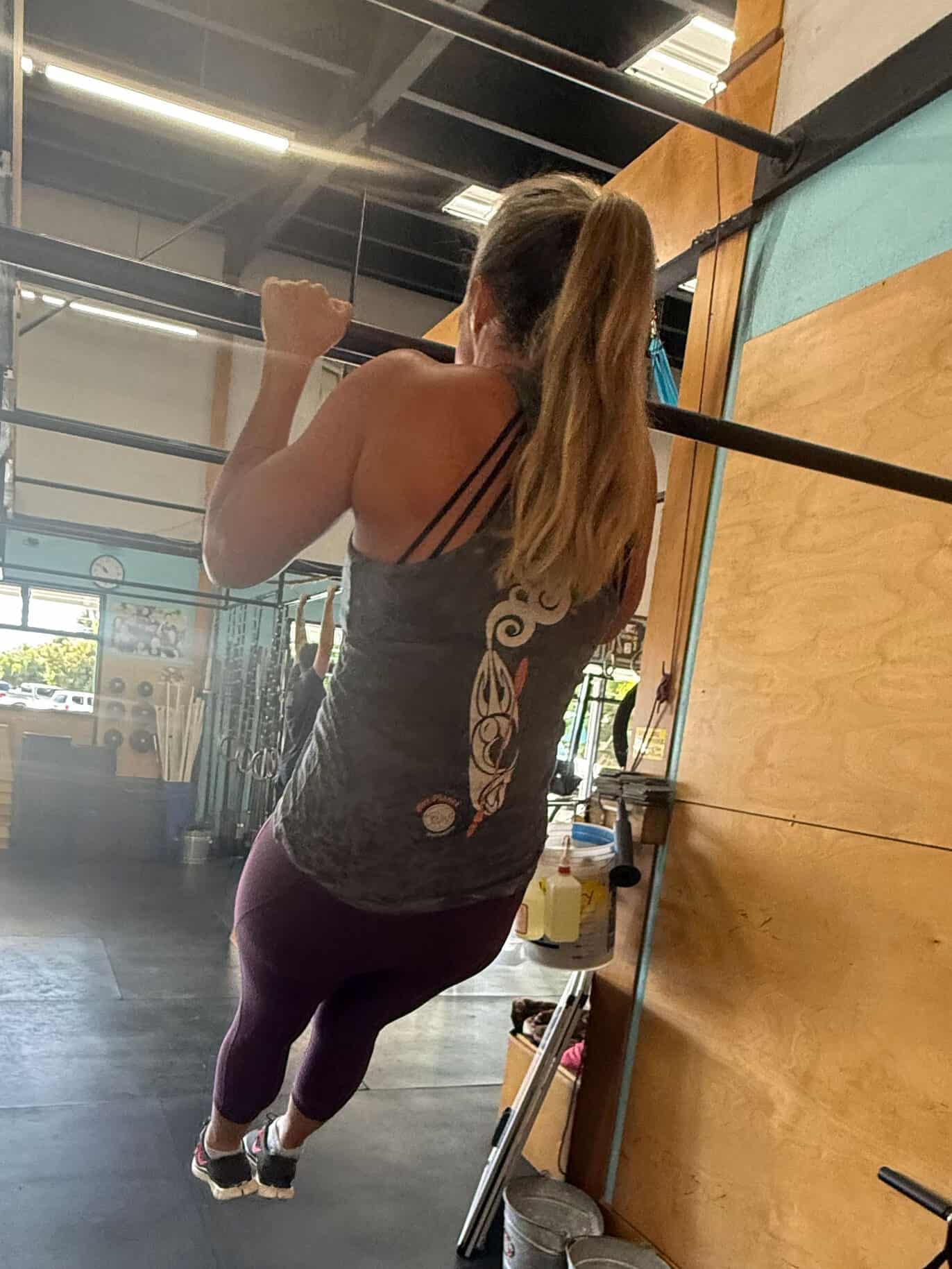
Top exercises:
- Rows (band, cable, dumbbell)
- Pullups, or Lat pulldowns
- Hip hinges / deadlifts (light to moderate)
- Glute bridges or hip thrusts
Mobility Priorities (Don’t Skip This!)
Kayakers commonly have tight lats, stiff thoracic spines, and limited shoulder range of motion — all of which can affect stroke efficiency and even put you at risk of injury.
Focus your mobility work on:
1. Shoulder Mobility
Goal: create space in the joint, improve overhead motion, and keep the rotator cuff happy.
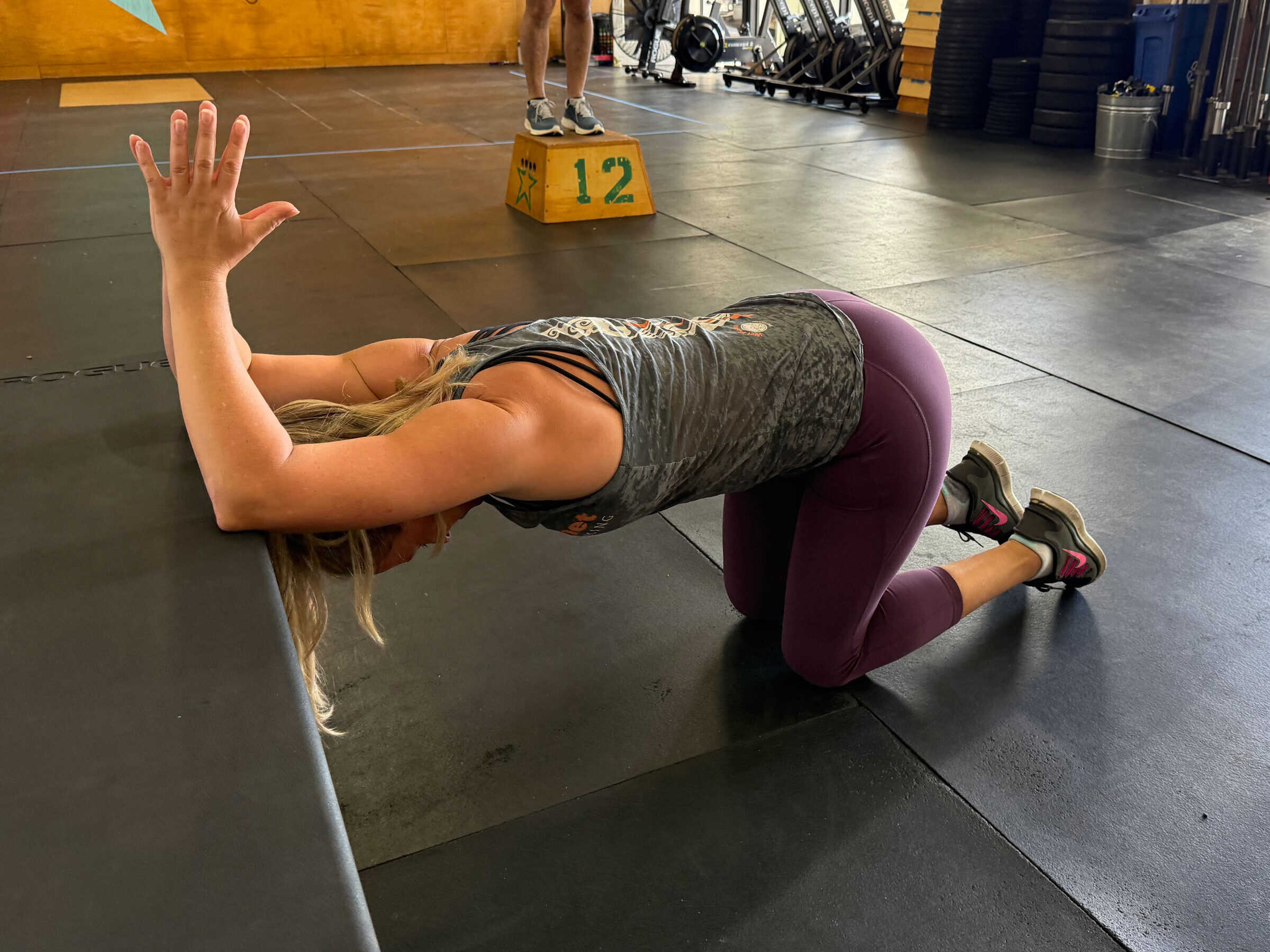
Recommended mobility drills:
- Sleeper stretch (gentle!)
- Doorway pec stretch
- Lat stretch over a bench
- Wall slides
- Banded pass throughs
- 90/90 external rotation stretch
2. Thoracic Spine Mobility
Better rotation = better paddling.
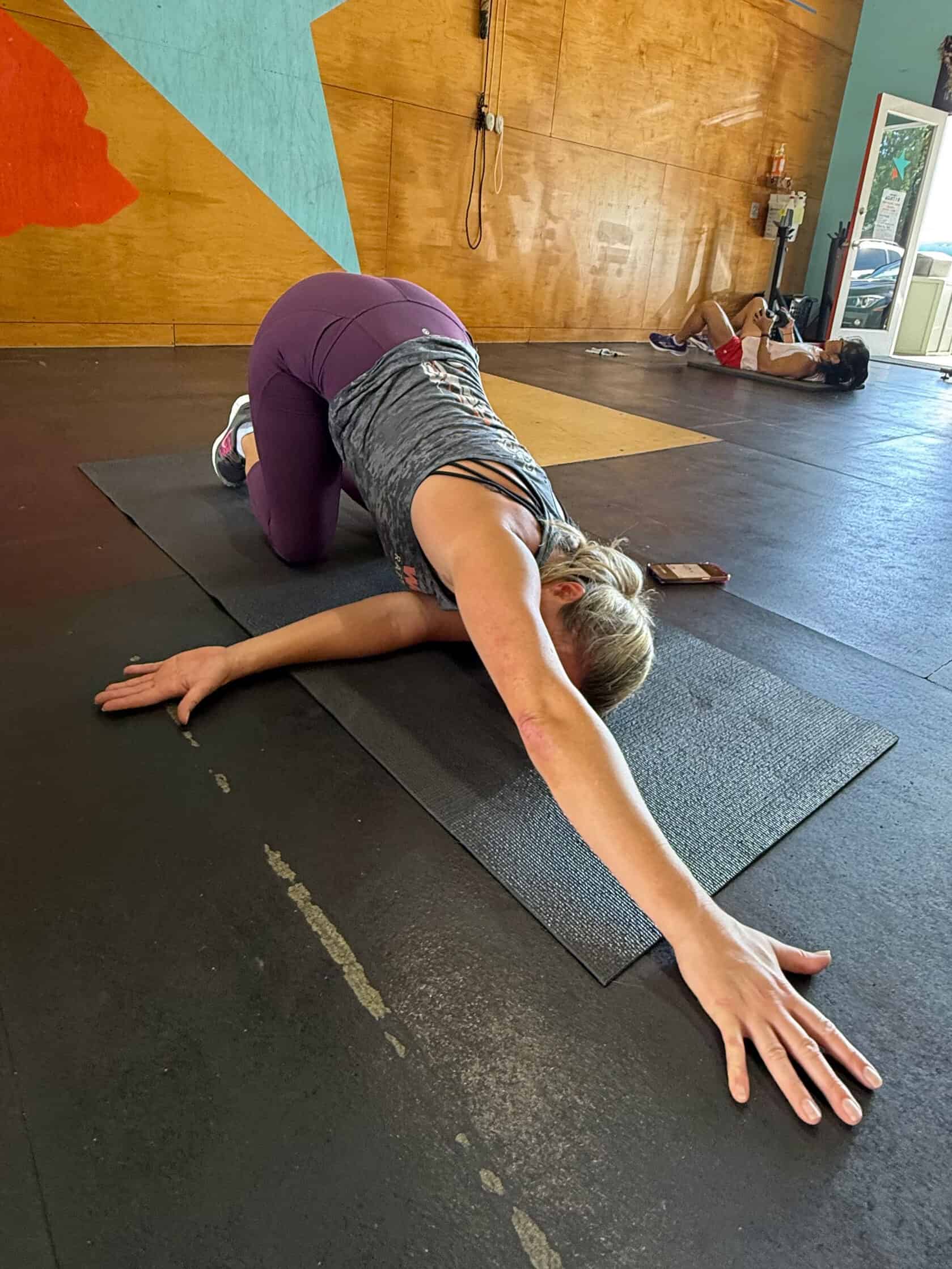
Try:
- Open book stretch
- Cat/cow
- Thread the needle
- Seated thoracic rotations
- Foam roller thoracic extensions
3. Hip Mobility
Especially important for playboaters or long sits in cold months.
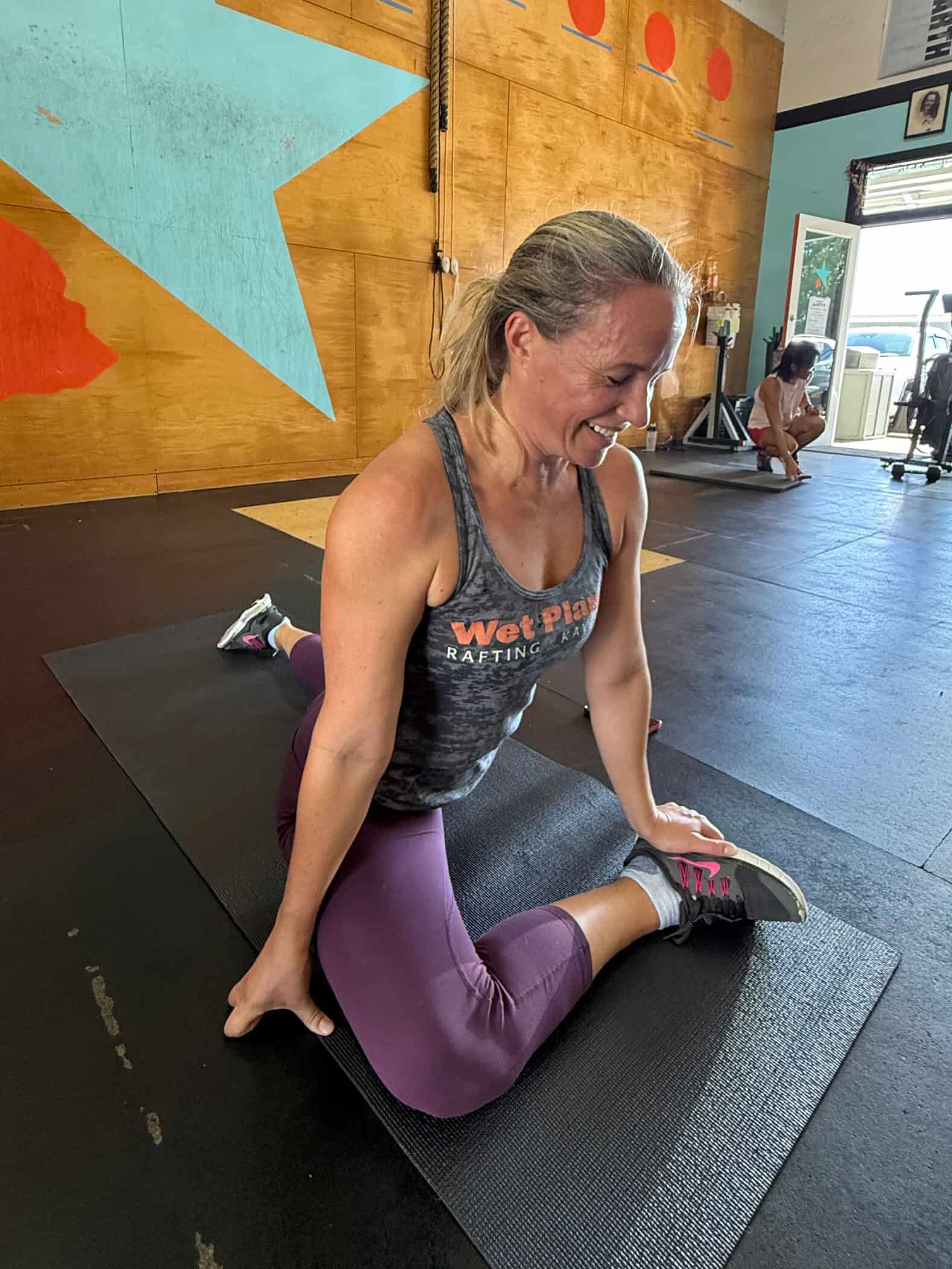
Try:
How to Build a Simple Off-Season Routine
Here’s a balanced, 3-day-a-week plan most paddlers can follow:
Day 1 — Strength + Core Focus
- Band external rotations – 3×12
- Rows – 3×10
- Woodchops – 3×12 each side
- Dead bugs – 3×10
- Side plank – 2×30 sec each
- Lat stretch – 1–2 minutes
Day 2 — Mobility + Light Strength
- Open books – 10 each side
- Thread the needle – 10 each side
- Wall slides – 2×10
- Face pulls – 3×15
- Pigeon pose – 1–2 min each side
- Thoracic extensions – 1 minute
Day 3 — Mixed Strength + Stability
- Pull-ups or lat pulldown – 3×8–10
- Hip hinges / deadlift – 3×8
- Bird dogs – 3×10 each side
- Banded pass throughs – 10 slow
- 90/90 rotation stretch – 1 minute each side
Tips to Keep You Going All Winter
- Keep it simple. You don’t need an hour a day — even 20–30 minutes counts.
- Stay consistent instead of intense. A little every week beats one big workout once in a while.
- Warm up (always). Cold muscles = cranky shoulders.
- Build gradually. You’re tuning up for paddling, not training for the Olympics.
- Listen to your body. Pain = stop; discomfort = mobility opportunity.
Stronger Now, Stronger on the River
The off-season doesn’t have to be “off.” It can be a reset — a chance to rebuild the foundation we depend on once we’re back in the current.
With a little strength, a little mobility, and a lot of intention, you’ll be ready to hit the water with healthier shoulders, solid core strength, and a body that feels good doing what it loves.
And don’t forget a your cardio!