
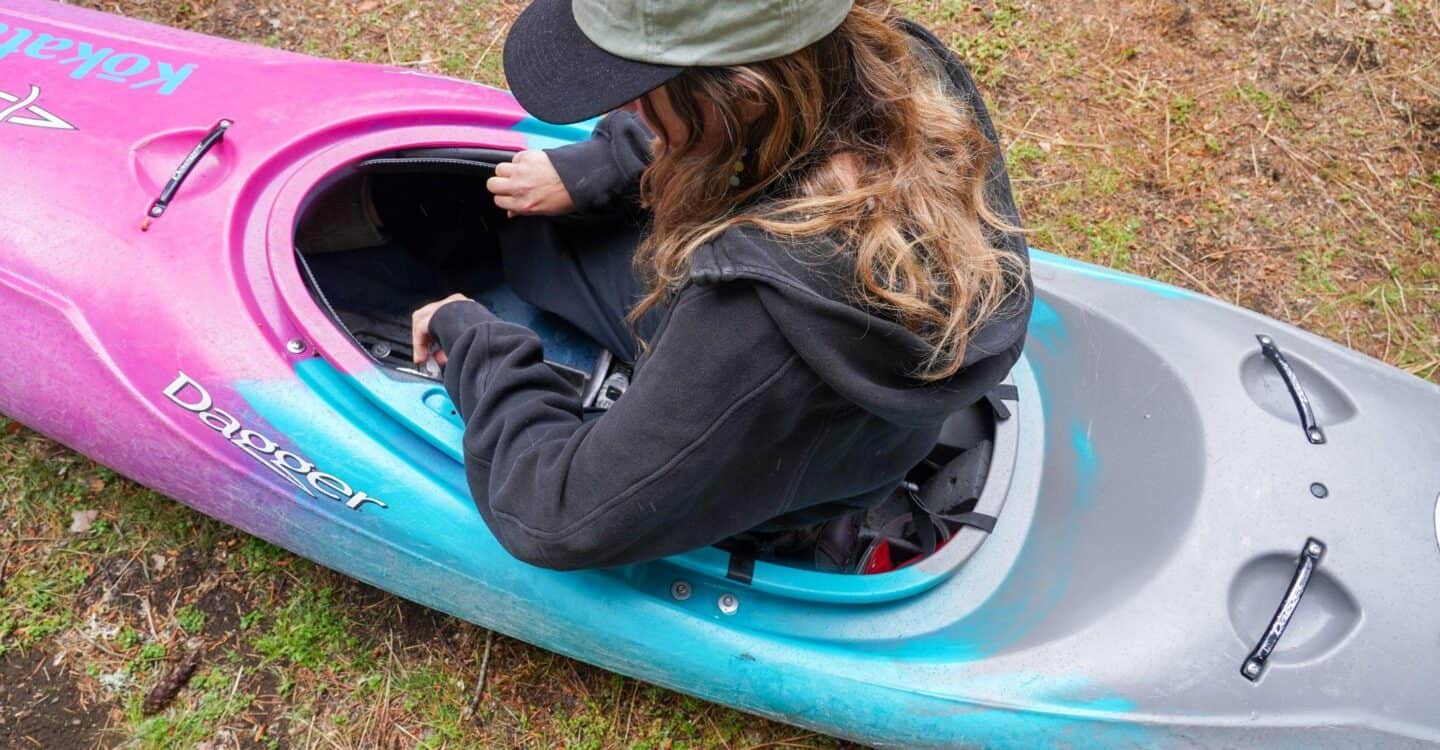

When you buy a new whitewater kayak, it comes with a bag of foam and a “factory set” seat. But here’s the truth: the boat isn’t finished until you outfit it for your specific body. Everyone is built differently—leg length, hip width, and core flexibility all change how a boat responds.
Proper outfitting isn’t just about comfort; it’s about connectivity. If you’re sliding around inside your boat, your edges will feel laggy, and your roll will be harder. Here is how I dial in my Dagger for maximum performance and how you can do the same.
1. The “Leg Lifter”
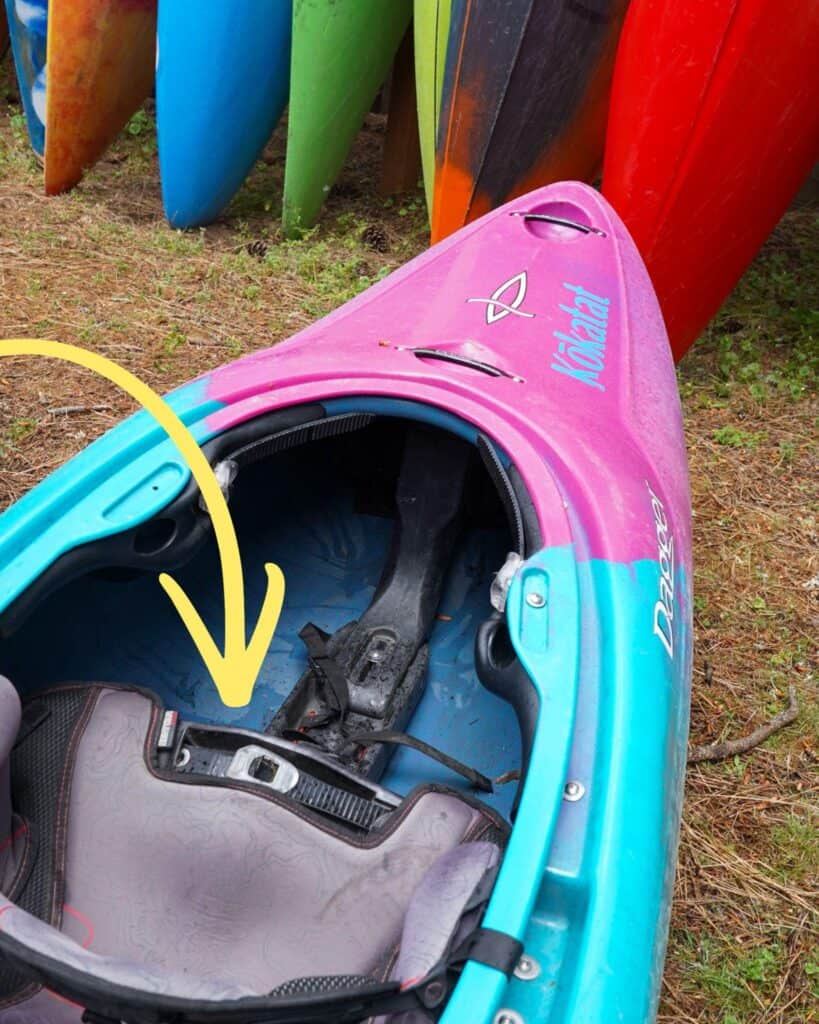
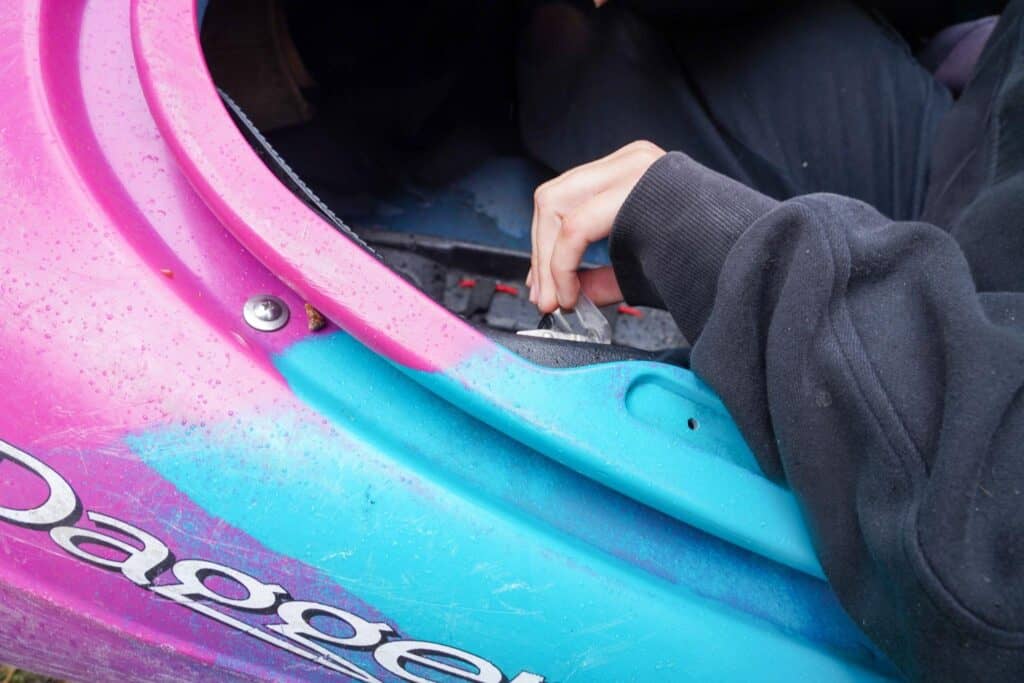
The Dagger seat features a “Leg Lifter” (a ratchet-adjustable seat riser). By ratcheting the front of the seat up, you wedge your thighs firmly into the thigh braces. This eliminates the gap between you and the boat, giving you more control over the boat. You can achieve the same effect by gluing thin layers of foam to the seat base. Heavy-duty Velcro is also a great tool for testing outfitting positions before committing with glue.
2. “Hips Forward” Hack
Good posture while paddling is important for power and injury prevention. Dagger Team member Tara Blair shared a great trick; place a small wedge of foam at the very back of the seat.
This nudge encourages your hips to roll forward into a “neutral pelvis” position. It naturally improves your posture and engages your core, preventing the “C-shaped” slouch that leads to lower back pain. This keeps you in an aggressive, “ready” position to tackle the next rapid.
3. Footblocks at an Angle
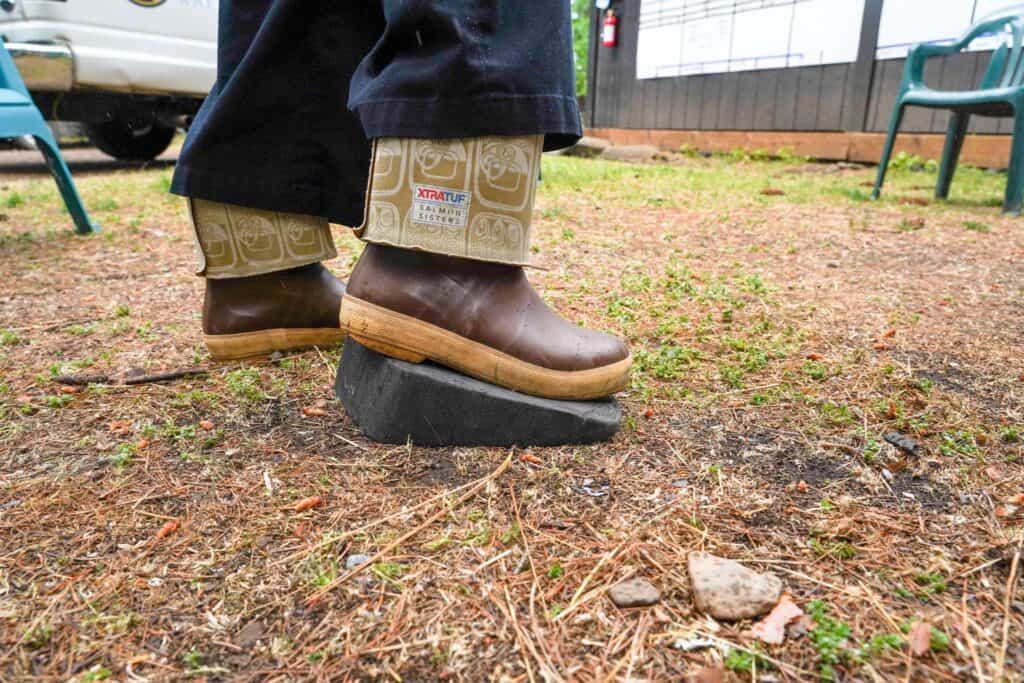
When it comes to the bulkhead, don’t just throw a flat slab of foam in there. I prefer to shape my footblocks at an angle—thicker at the heel than at the toes. This ensures your entire foot maintains contact with the bulkhead. When you need to push for a boof or a brace, your whole foot is engaged rather than just your toes. For almost any sport, we know that your power really comes from your whole foot, we tend to lose power when only on our toes.
4. The Hip Pad Balance
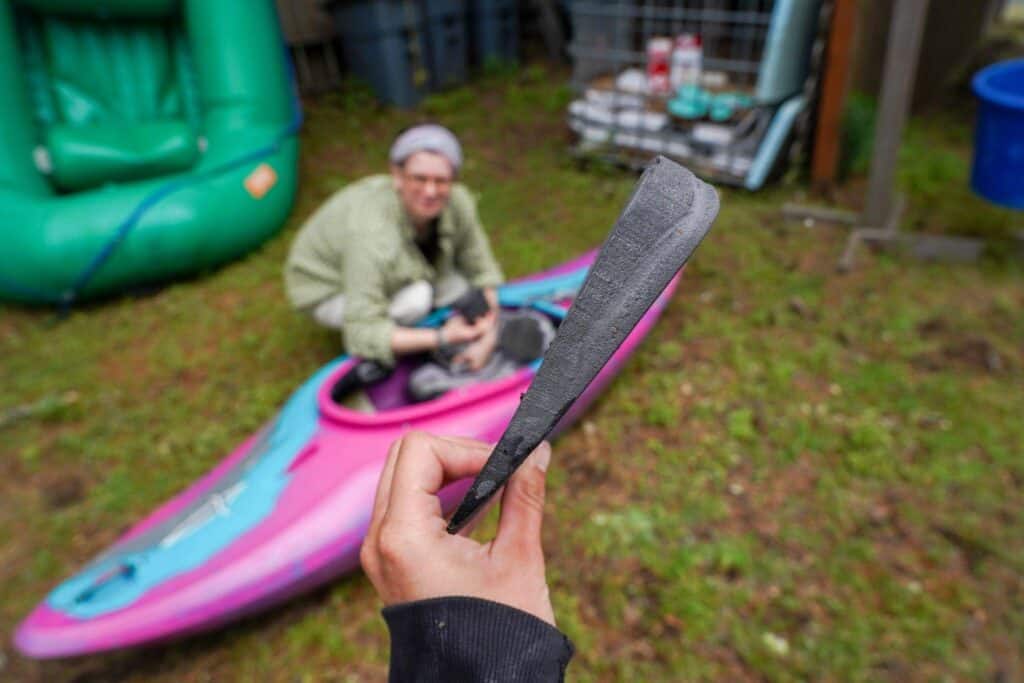
Hip pads should be snug, but there’s a trick to them: pull them UP. I’ve found that if hip pads aren’t pulled high against the hip bone, they can pinch and cut off circulation to your legs (which can lead to numb legs and feet, no thank you)
Before you start shaving down the foam, try shimmying them higher.
You want to be tight enough to be secure in your seat, but loose enough to keep the blood flowing! Some paddlers even prefer their pads to be slightly wider at the top to “hook” them into the boat.
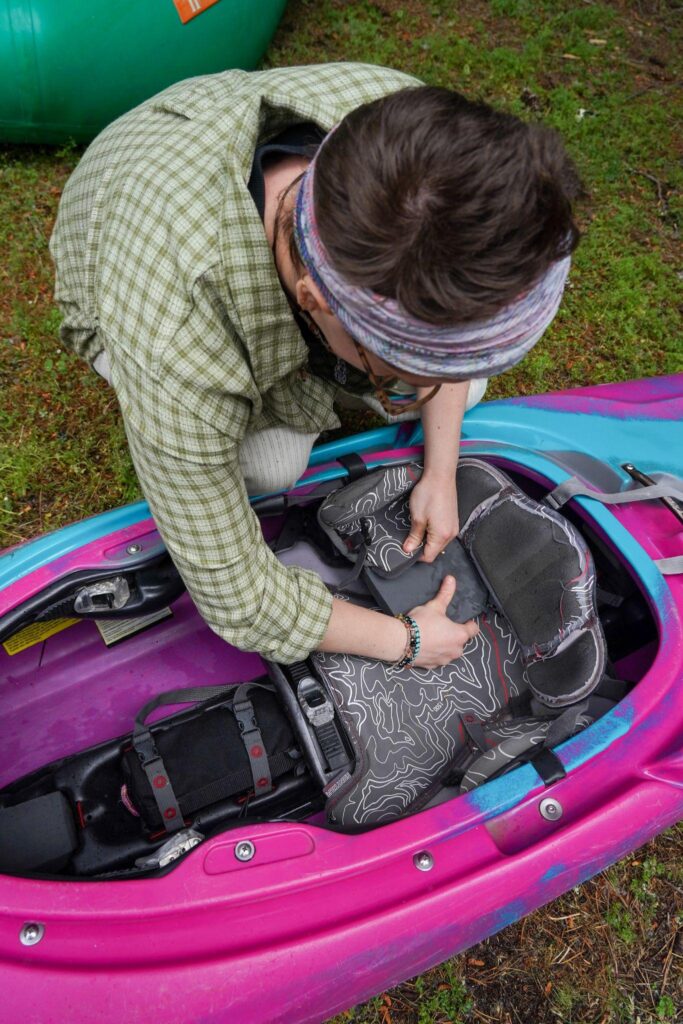
5. Backband Tension
I like my backband pretty tight to keep me forward, but remember: it’s a support, not a pusher. Your posture should ultimately come from your core muscles; the outfitting is just there to assist. The goal is to find that “Goldilocks” tension where you feel supported through your lower back without feeling restricted or shoved into your footbraces.
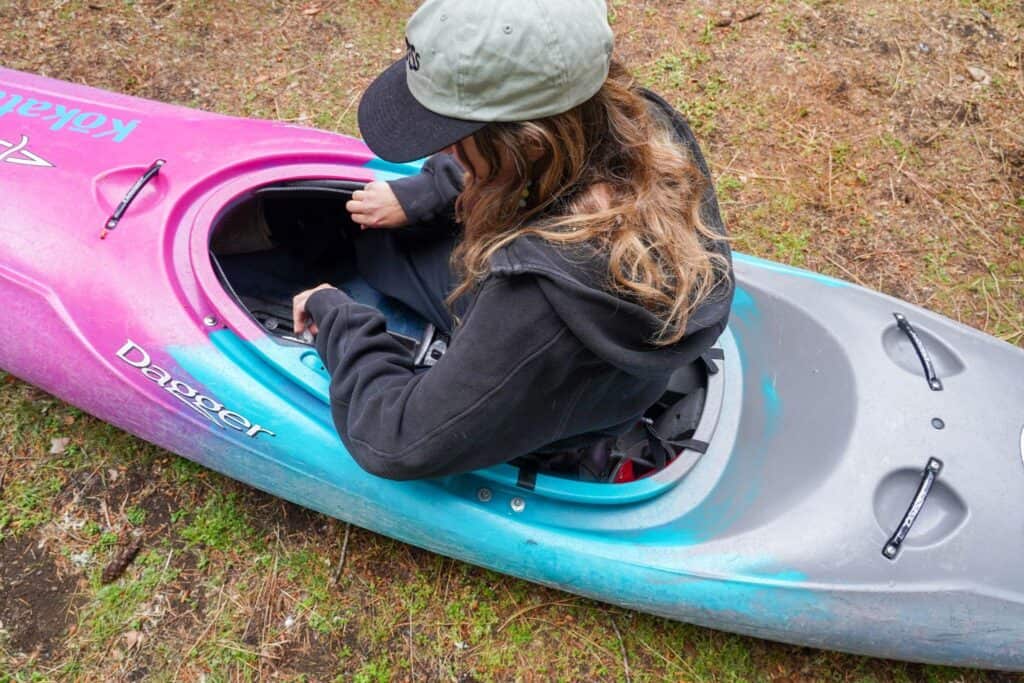
Outfitting isn’t a ‘one and done’ process. The foam you put in during the winter while wearing a thick drysuit and layers might feel totally different in the summer when you’re in a thin splash jacket. Don’t be afraid to move foam around, go for a paddle, and rip it out if it doesn’t feel right.
Take the time to dial it in, and your paddling (and body) will thank you!
Want to see these tips in action? Join us for a whitewater kayaking lesson at Wet Planet, and we’ll help you outfit your boat and tune your technique in a single day.