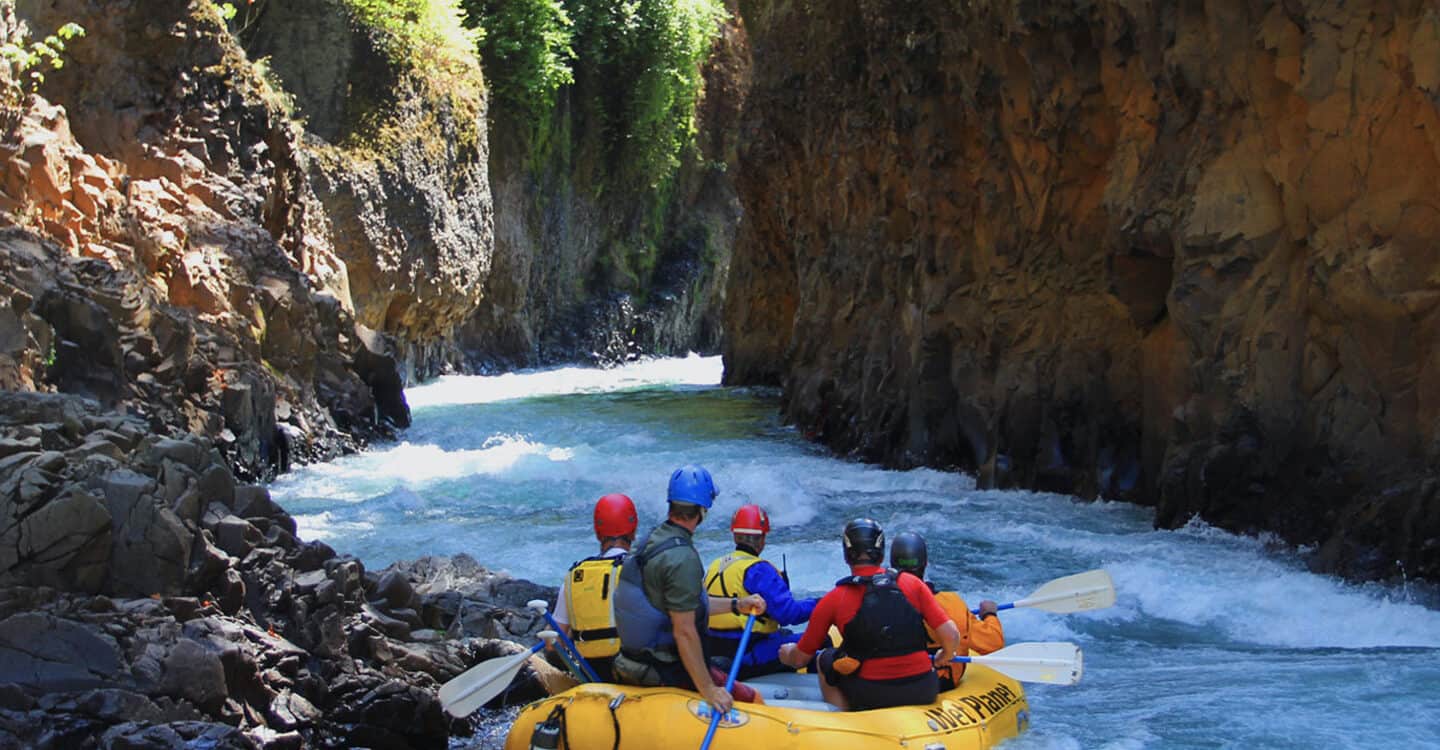
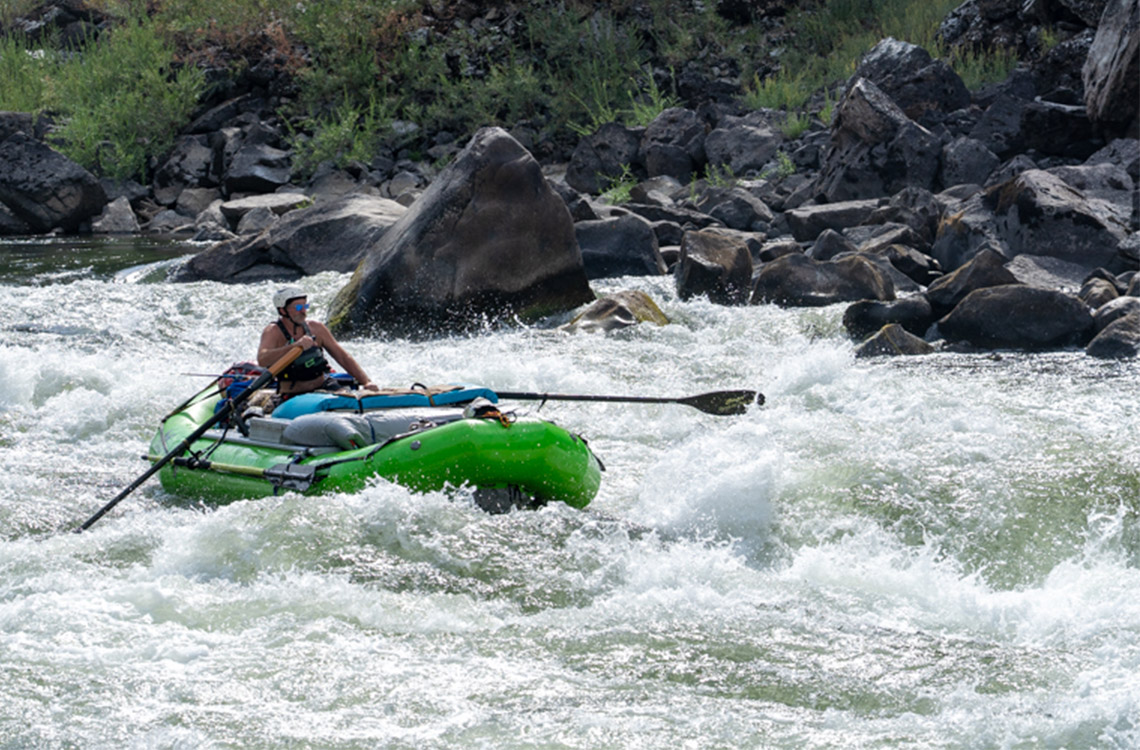

There is something different about looking at a river when you know how to row.
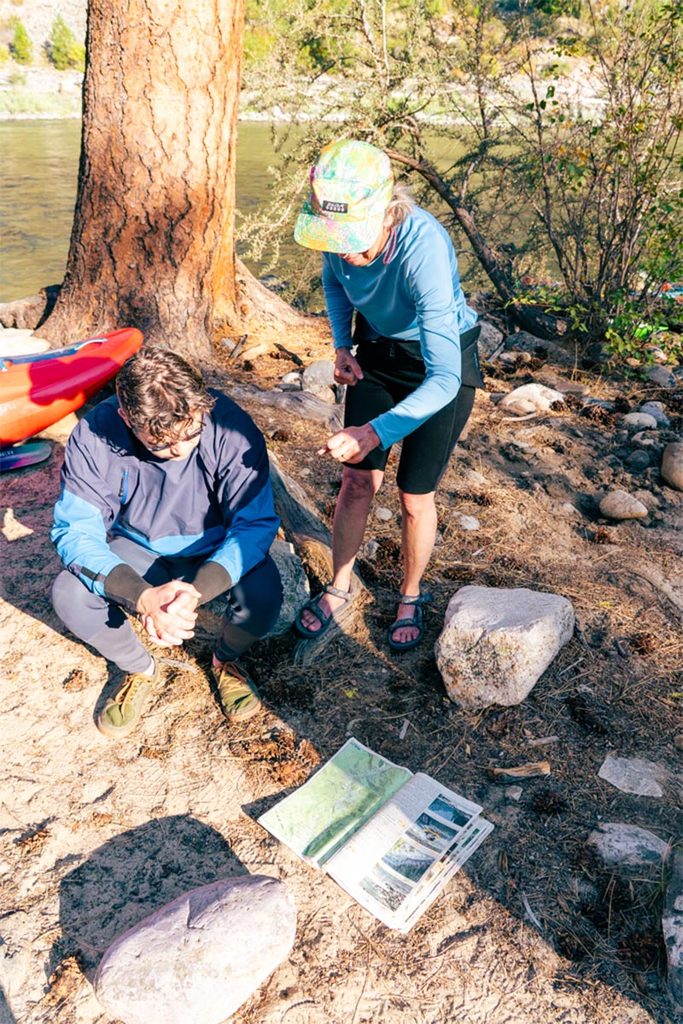
A river on a map is no longer just a blue line winding through the landscape. It becomes a possibility.
Maybe it’s a stretch of water you’ve driven past a hundred times. Maybe it’s a canyon you’ve hiked into and wondered what it would be like to see from the river. Maybe it’s a river you’ve heard your friends talk about for years. Or maybe it’s a place you’ve never heard of at all.
Once you learn to row, all of those rivers start to look a little different.
It Starts With a Saturday
At first, it might be simple.
A Saturday morning. A few friends. A raft on a trailer.
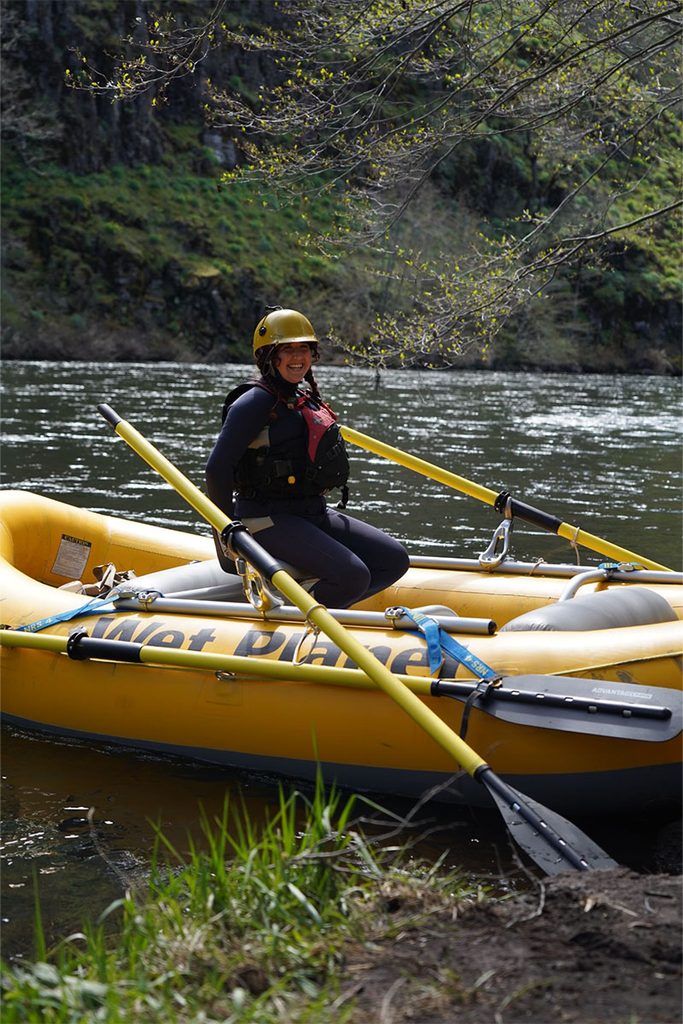
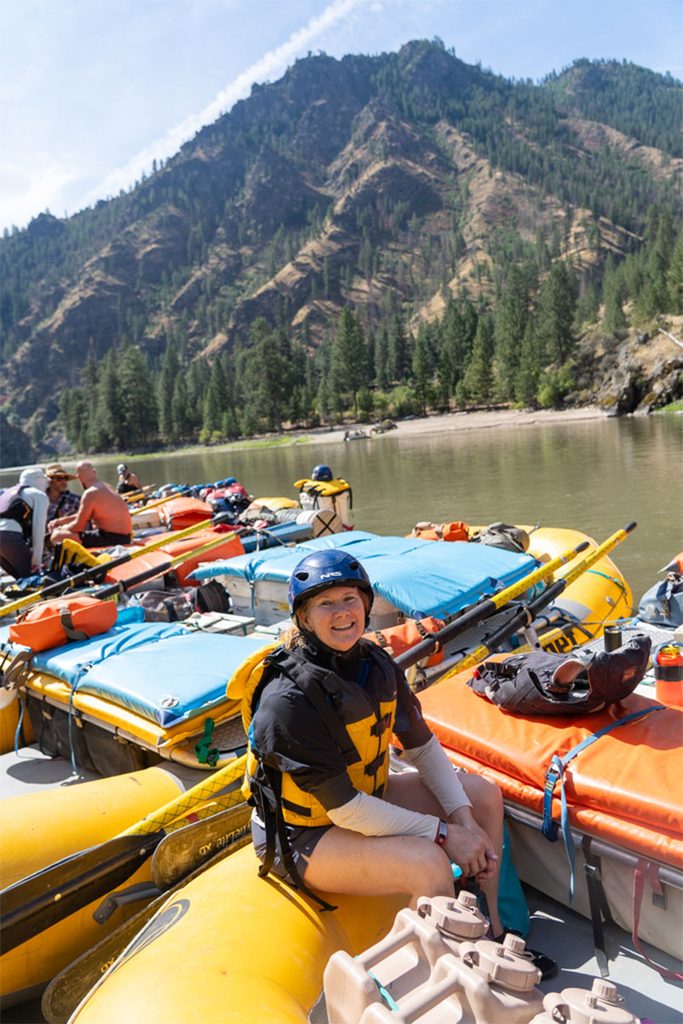
You load the boat, throw in the oars, pack a cooler, and head toward the river. You spend the day moving downstream, learning to read the current, finding your line, laughing with your friends, and figuring out what your boat can do.
Then, at the end of the day, you pull off the river tired, happy, and already talking about where you’re going next.
That’s one of the great things about learning to row. You don’t need to wait for the perfect trip or a week of vacation. A river can turn an ordinary weekend into an adventure.
And once you know how to get a boat down the river, your options start to multiply.
The West Opens Up
The West is crisscrossed by rivers.
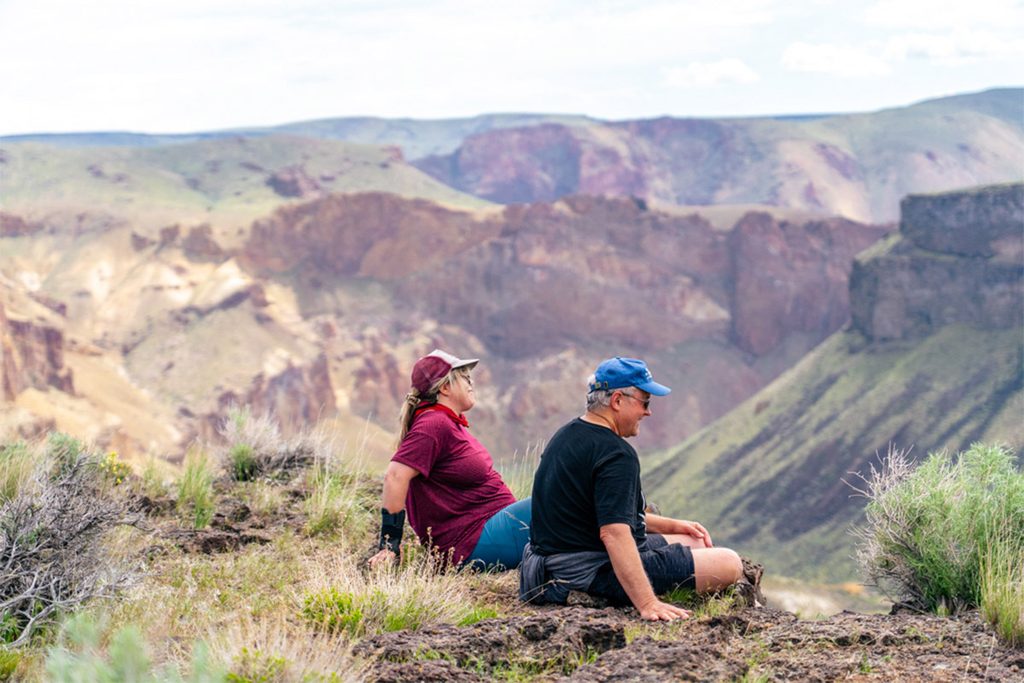
They run through deep desert canyons, dense forests, high mountain valleys, volcanic landscapes, and enormous stretches of wilderness. Some are famous. Others are barely more than a line on a map.
Rivers are some of the oldest pathways through this landscape. They cut through places that roads never reach and connect landscapes that can feel impossibly remote.
For a rower, those rivers become accessible in a completely different way.
You don’t have to stand on the shore and look into the canyon.
You can travel through it.
You can spend a day on the water and be home that night. Or you can pack everything you need into a boat and disappear downstream for several days.
That’s when rowing starts to become something more than a skill.
It becomes a way to explore.
Then the Road Ends
A multi-day river trip changes the equation.
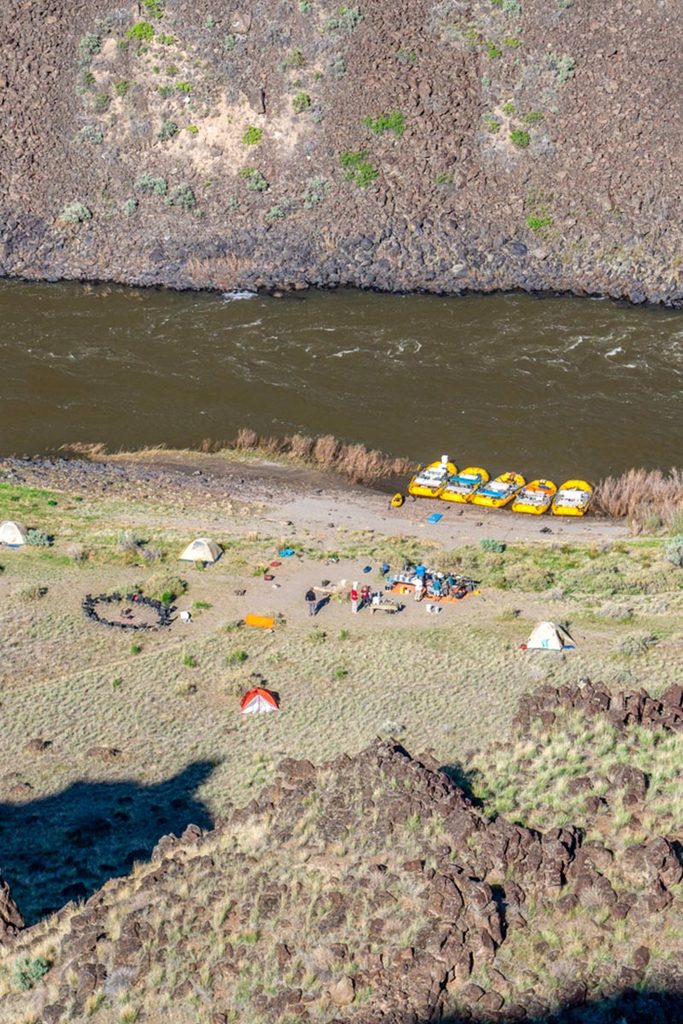
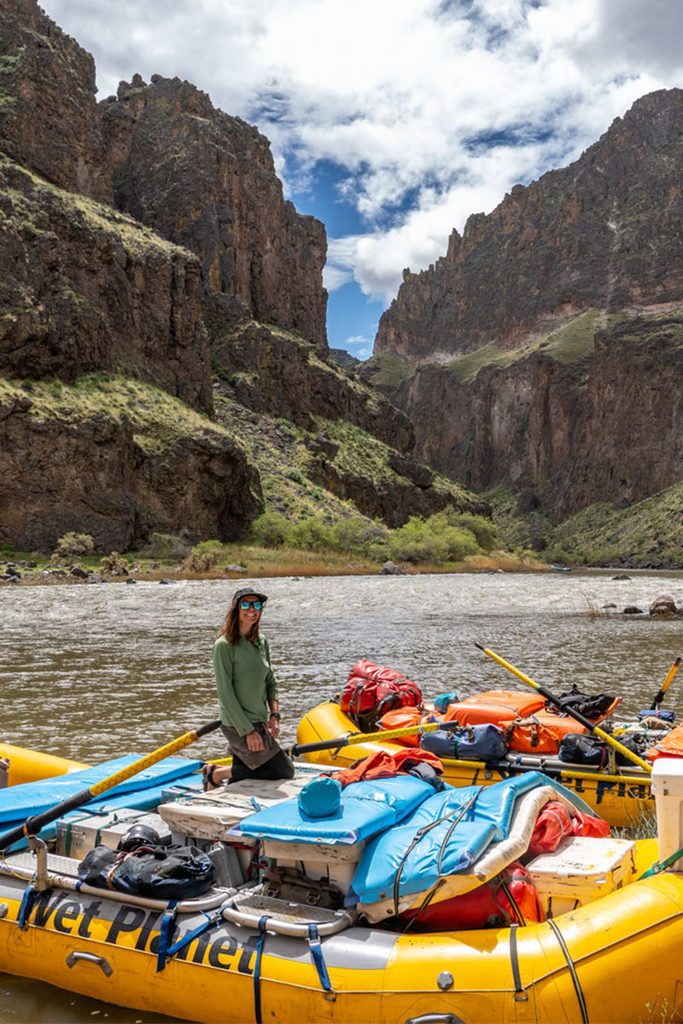
After the first few hours, the road disappears behind you. Your boat becomes your transportation, your gear truck, your kitchen, and the place that carries you toward whatever is around the next bend.
You wake up beside the river. You pack the boats. You push off from camp and spend the day moving downstream.
Maybe the river is quiet and the canyon walls tower above you. Maybe the water picks up and everyone starts paying closer attention. Maybe you stop for a hike, explore a side canyon, or find a beach that becomes home for the night.
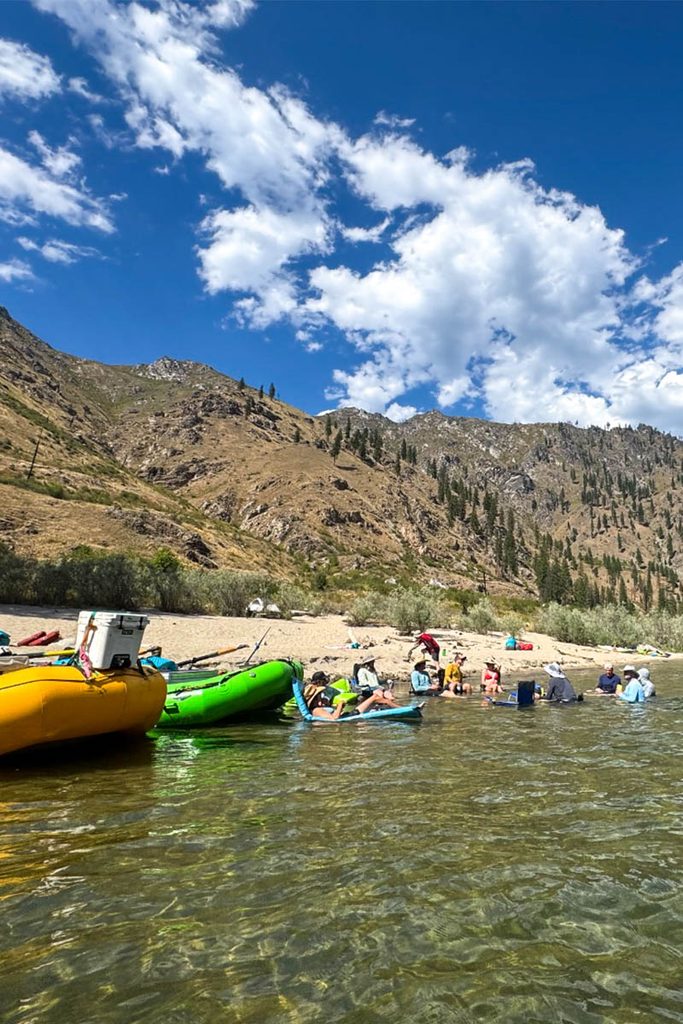
Eventually, you pull over, unload the boats, make dinner, and sit around a fire with your friends.
The next morning, you do it again.
There is something wonderfully simple about that rhythm.
Wake up. Pack the boats. Follow the river.
And the Map Gets Bigger
One river leads to another.
A local day trip becomes a weekend. A weekend becomes a multi-day trip. A trip with friends leads to an invitation from someone you’ve never boated with before. Eventually, you find yourself planning vacations around rivers you’ve only seen on a map.
The Main Salmon.
The Middle Fork.
The Grand Canyon.
The Rogue.
The Owyhee.
The Deschutes.
And countless other rivers stretching across the West.
Each one offers something different. Different landscapes. Different challenges. Different ways to travel through the country.
And the farther you go, the more you realize that rowing isn’t just about getting a raft downstream.
It’s about having the ability to go somewhere.
You Become Part of the Trip
There is also a difference between being on a river and being responsible for a boat on the river.
As a rower, you have a role.
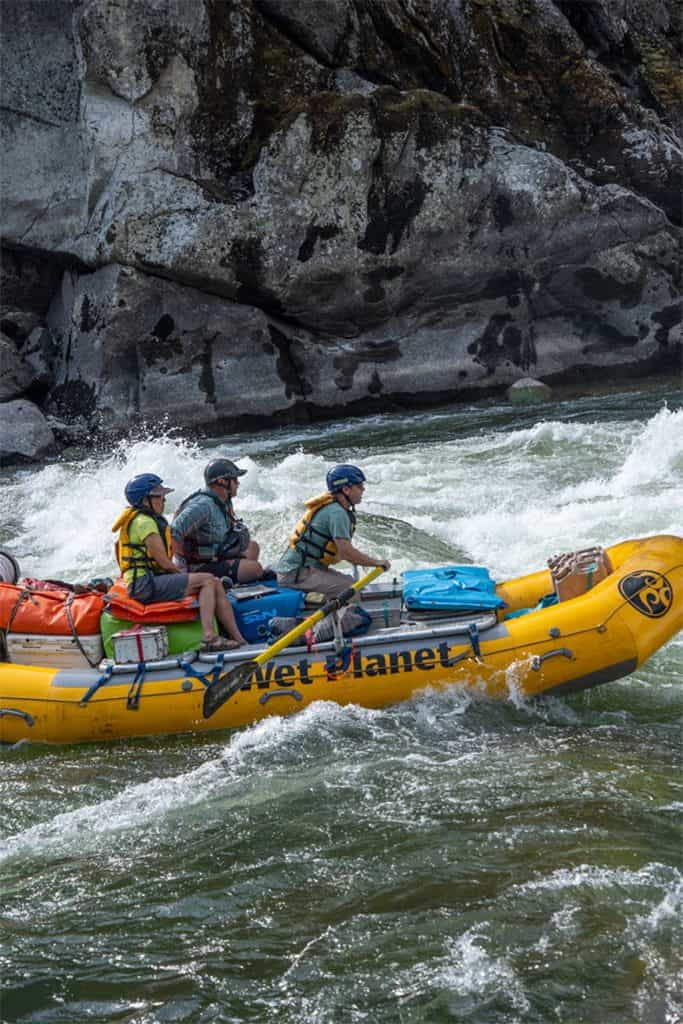
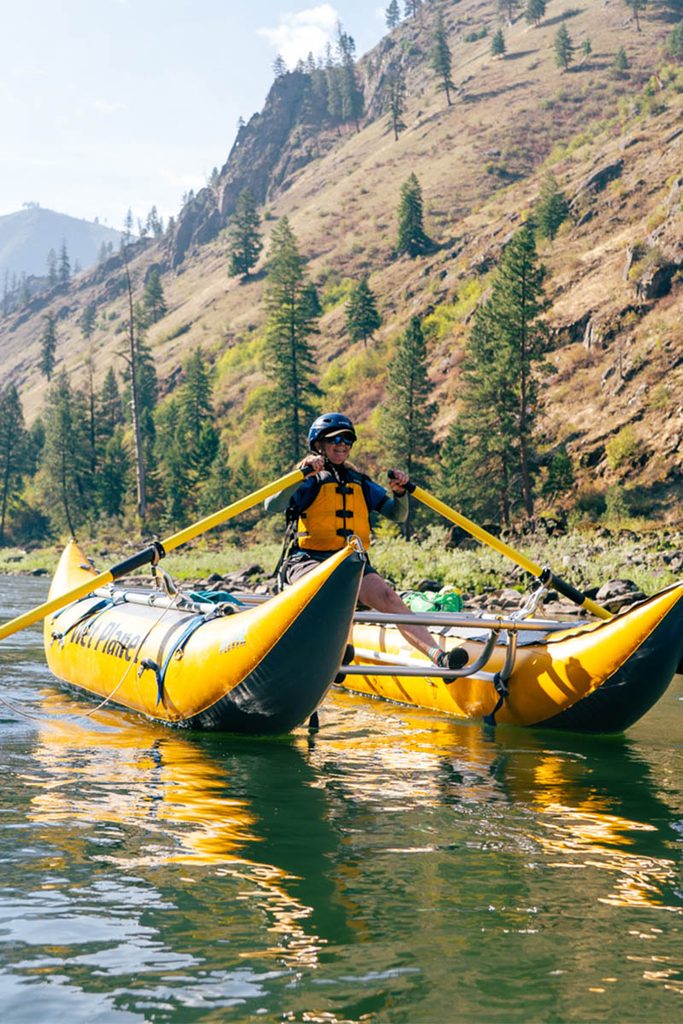
You read the water. You make decisions. You communicate with the people around you. You help your group move down the river. You contribute to camp. You learn from the people who have been there before you.
And eventually, you become one of those people.
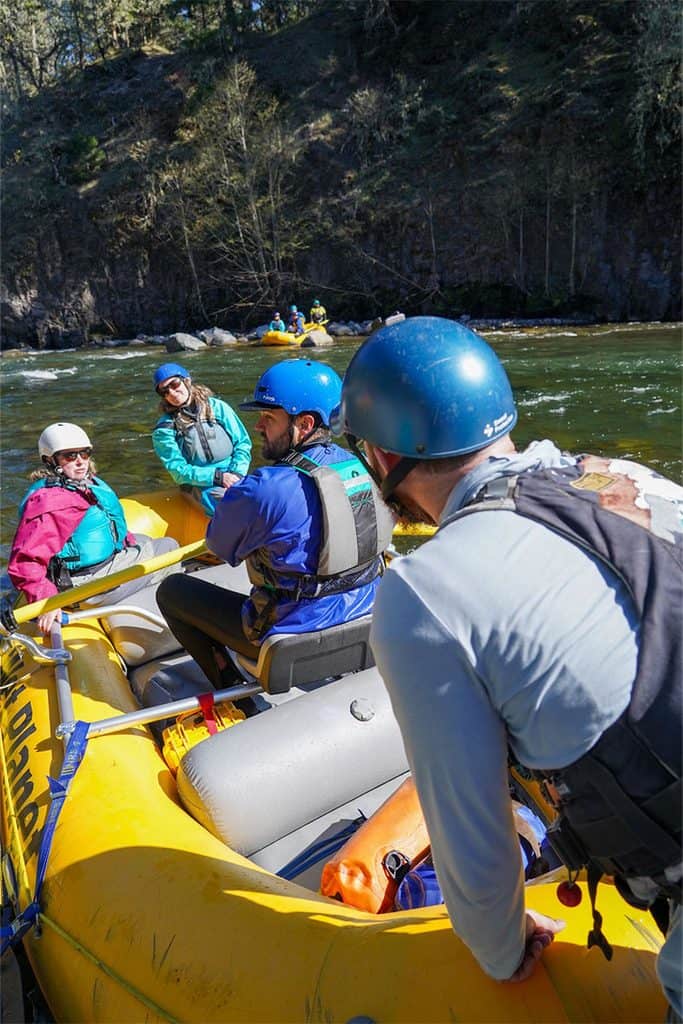
Someone newer to rowing joins your trip. You show them how you rig their boat. You point out a line you’ve learned. You help them understand the river.
The community grows.
That’s one of the things we love most about rowing. The skill doesn’t just give you more places to go. It gives you more people to go with.
And somewhere along the way, you realize you’re no longer just tagging along on someone else’s adventure.
You’re helping create it.
That’s where rowing can take you.
See you on the river,
The Wet Planet Whitewater Crew
Author: Steve Merrow
Steve is the River Manager for Wet Planet, leading our day-trip operations, and rowing clinics, on the White Salmon, Hood, Wind and Klickitat Rivers.